Why Blue Sapphire commands attention
Blue Sapphire is the blue variety of corundum, a mineral with a Mohs hardness of 9 and excellent suitability for jewellery. Its value, however, is not defined by hardness alone. Colour, transparency, cut, treatment, size and—in exceptional stones—documented origin all contribute. Start with the GIA sapphire overview for the gemological foundation.
Look for balanced blue
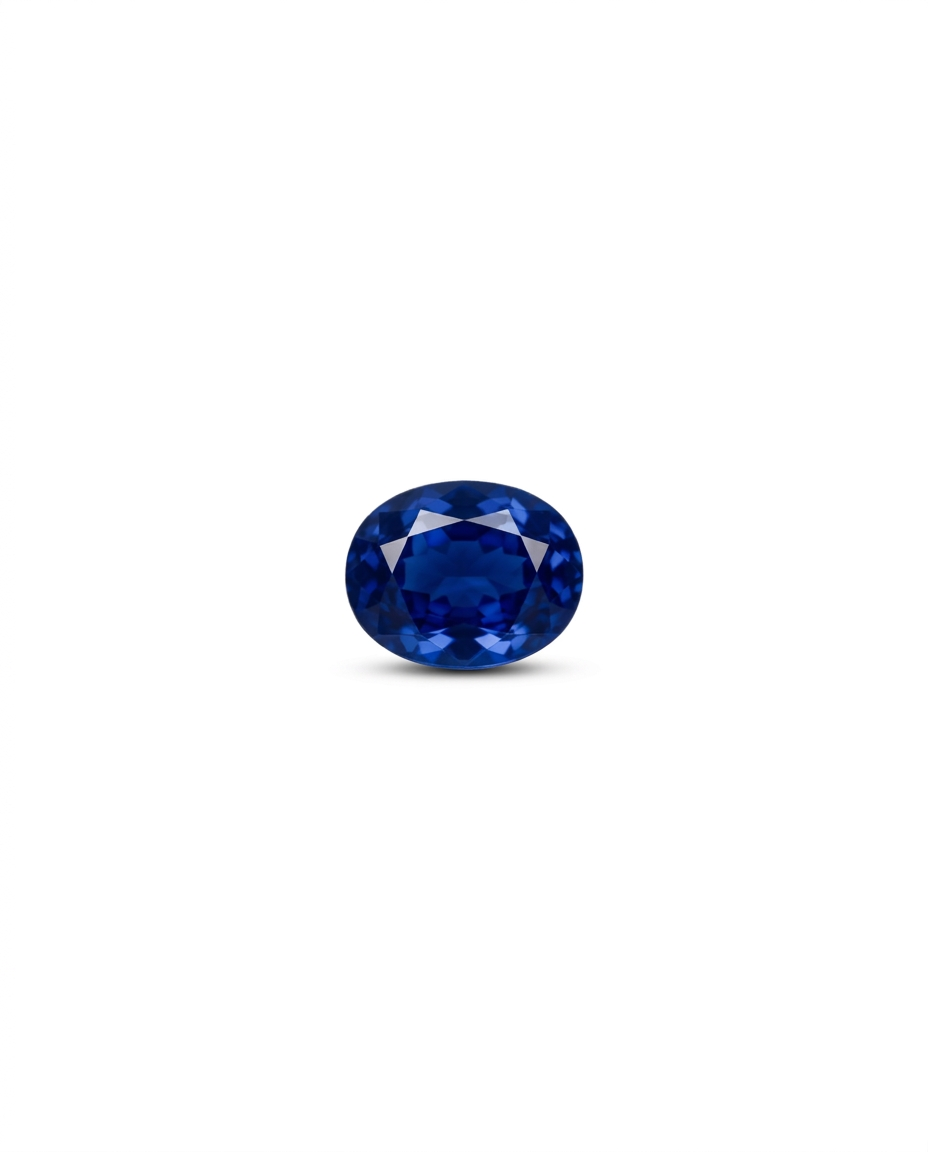
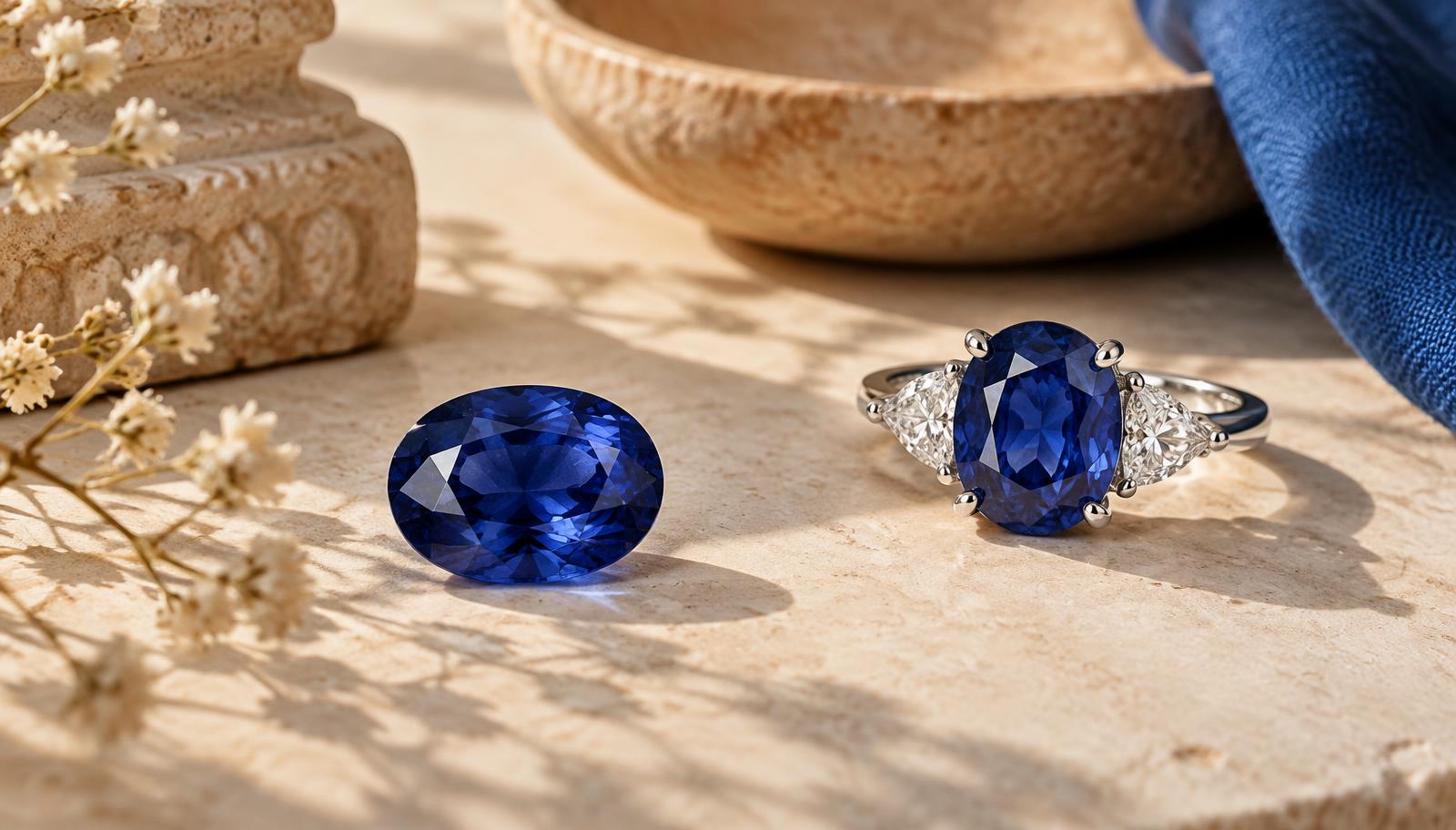
The most admired stones usually show an intense blue or violetish blue with enough brightness to reveal life across the crown. A sapphire that is too dark may look almost black away from strong light; one that is too pale may lack saturation. Gem-A’s discussion of blue sapphire value is a useful comparison point.
- Move the stone through daylight and ordinary indoor light.
- Tilt it to check for broad dark extinction or a pale central window.
- Prefer an attractive face-up appearance over weight hidden below the girdle.
- Expect some natural inclusions; focus on beauty and structural soundness.
Heated and unheated are both natural
Heat treatment has been used for generations and is widely accepted in the coloured-stone market. A heated sapphire remains a natural sapphire, but a fine unheated stone may command a premium when that status is confirmed by a qualified laboratory. Diffusion and other specialised treatments should be clearly disclosed. See GIA’s explanation of how heat affects sapphire value.
Do not pay an “unheated” or prestigious-origin premium without an independent report that supports the claim.
Certification and provenance
A report can identify natural corundum, disclose treatments and, when requested and possible, offer a geographic-origin opinion. Origin determination uses microscopic and chemical evidence; colour alone cannot prove Kashmir, Sri Lankan, Burmese or Madagascar origin. GIA describes the complexity in its research on blue sapphire geographic origin.
Neelam and Saturn: tradition without fear
Jyotish tradition associates Neelam with Saturn (Shani). Popular stories often describe it as unusually fast acting, but those statements belong to belief and folklore—not gemological science. A respectful approach avoids fear, guarantees and dramatic predictions. If you follow the tradition, use chart-specific guidance and a short trial period, and stop wearing the stone if it feels unsuitable.
Your practical checklist
Confirm the return policy, compare the stone in more than one light, ask for treatment disclosure, match the stone to its report, and choose a setting that protects the girdle. Buy the sapphire you find beautiful; treat astrological meaning as a personal spiritual layer, not a substitute for professional medical, legal or financial advice.