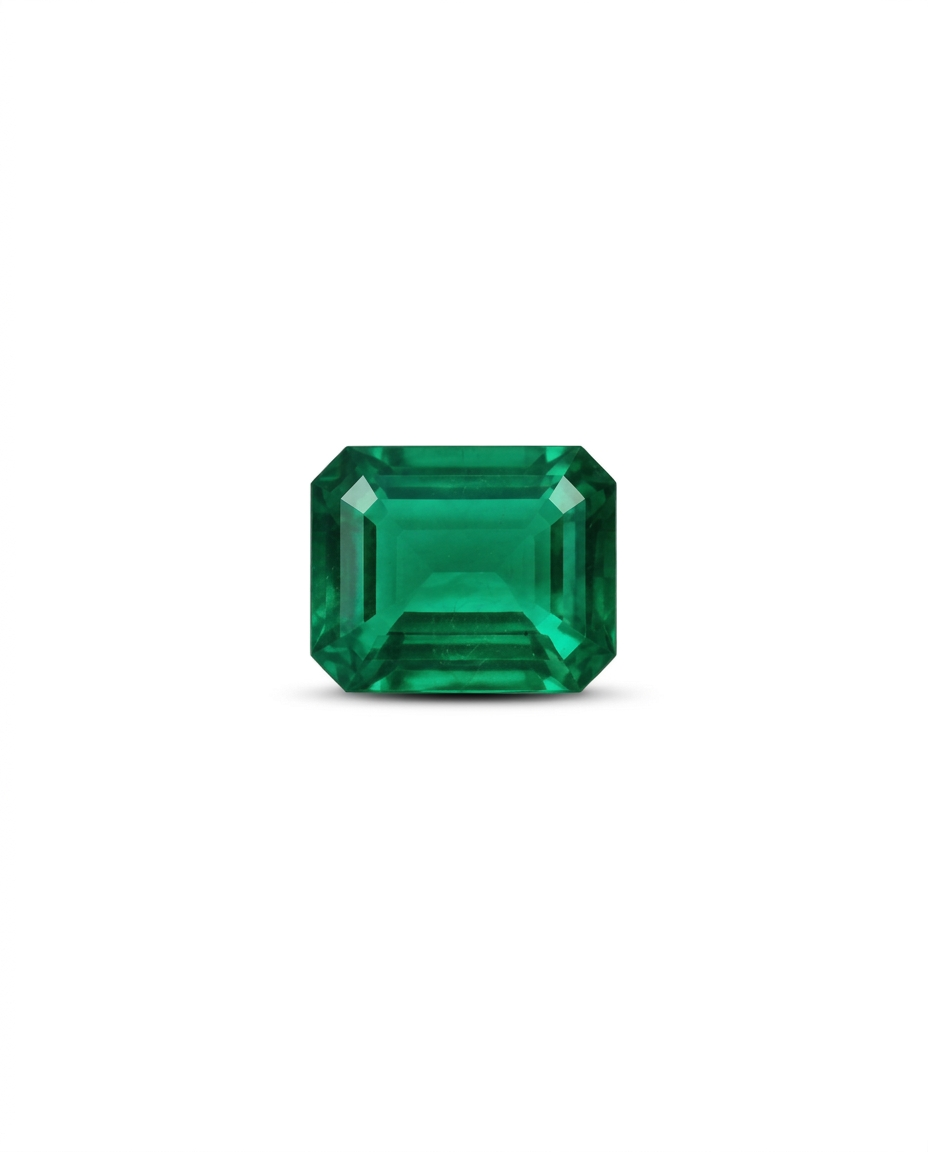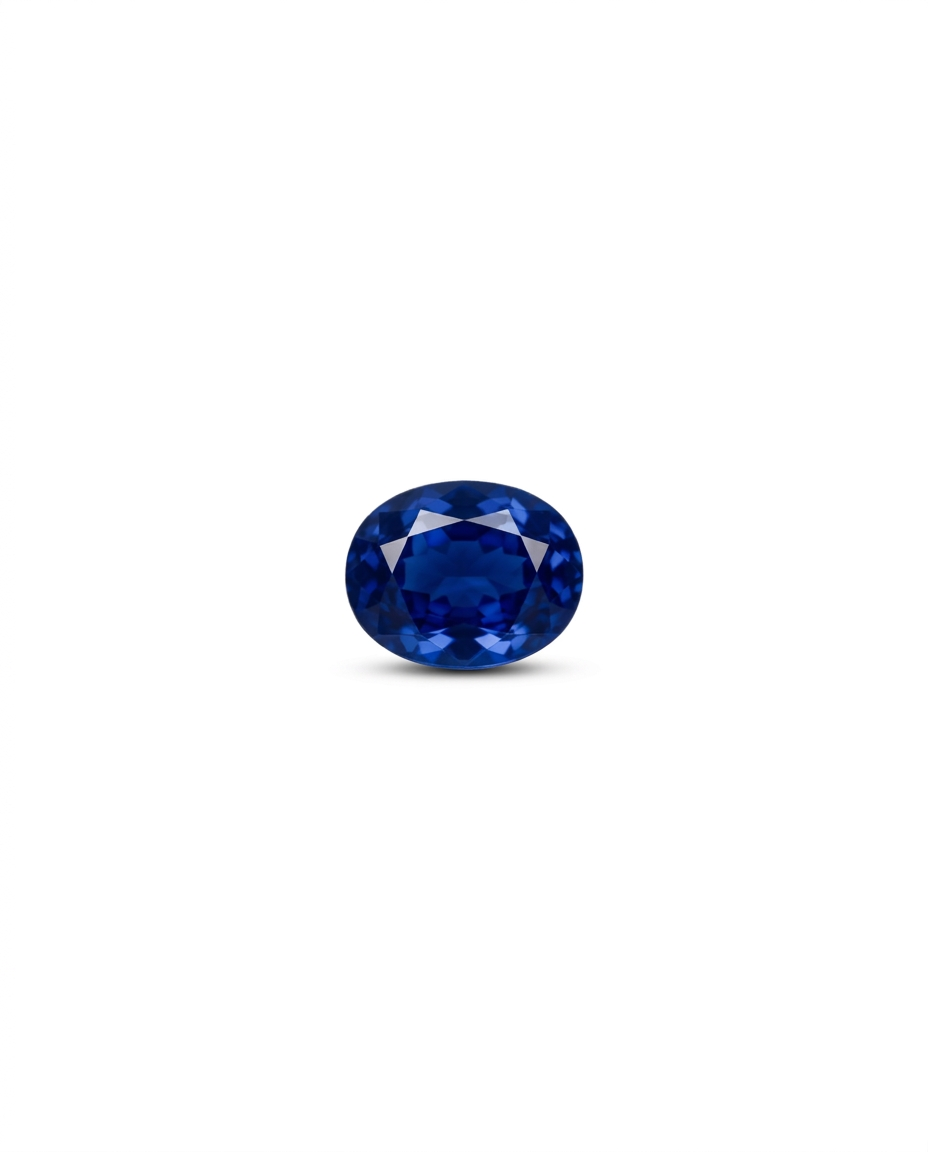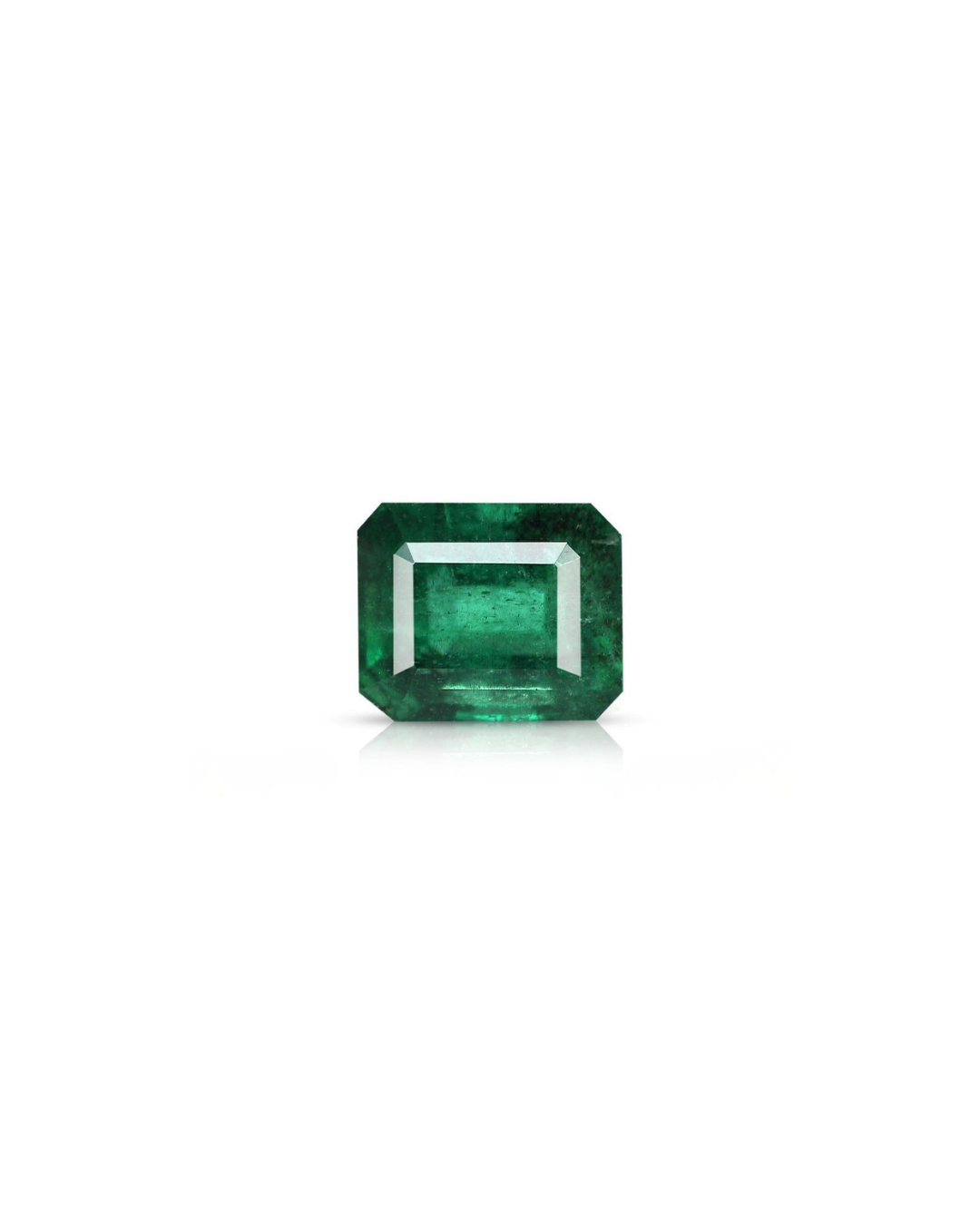
A gemstone laboratory report is useful evidence about a stone, but it is not a promise of investment returns, a guarantee of astrological results or proof that every stone offered alongside it has been examined. Before buying, connect three things: the laboratory record, the physical gemstone and the seller’s written description.
What a coloured-stone report can tell you
GIA’s coloured-stone service identifies the material, whether it is natural or synthetic, and detectable treatments. Reports also describe weight, measurements, colour, shape and cutting style, with a photograph. Read GIA’s coloured-stone report service to understand the scope of the examination rather than relying on a seller’s shorthand.
For example, corundum is a mineral species; ruby and sapphire are varieties. The identity field answers what the material is. A natural-origin result answers how it formed. A treatment comment addresses a different question: what may have been done to it afterwards. These fields should not be collapsed into a single word such as “original.”
Check the number through the issuing laboratory
Start from the laboratory’s own website. Use GIA Report Check or IGI’s report verification page when the document is issued by that laboratory. Enter the report number exactly and compare the returned details with the document you received.
A matching online record confirms that a record exists; it does not, by itself, establish that the gemstone in your hand is the same stone. Compare weight, dimensions, shape and any photograph, allowing for the fact that a mounted stone may be harder to measure accurately. Ask for help from an independent gemologist if important details do not match. Do not accept an unrelated laboratory logo or a screenshot in place of a verifiable record.
Read treatments before choosing a cleaning method
“Natural” does not mean “untreated.” Look for comments about heating, filling, dyeing or other detected enhancement. The exact language matters, and treatment assessment has limits. Ask the seller to explain the wording and put the disclosed treatment on the invoice. A report is much more useful when it also informs safe ownership: some fillers and surface treatments need particularly gentle care.
Treat geographic origin as a qualified finding
Some report services offer a geographic-origin opinion for eligible gemstone types. An origin opinion is not always available and can be inconclusive. Do not translate the colour of a sapphire or a marketing name into a laboratory-backed country of origin. GIA’s guide to reading an identification report helps distinguish report fields and comments.
A checklist to use before payment
- Ask which laboratory examined the individual stone and request its full report number.
- Verify the record on the issuing laboratory’s own website.
- Compare gemstone identity, weight, dimensions and photograph with the offered stone.
- Read treatment comments and ask whether they affect durability or care.
- Confirm what the invoice says about identity, treatment, price and the report supplied.
- Read the applicable return terms before paying; do not assume a laboratory report is a valuation or a return guarantee.
A practical seller question is: “Please send the report for this exact stone, explain the treatment comments and confirm that the invoice will identify the stone and the report provided.” If the answer remains vague, pause the purchase rather than making a home scratch or heat test.
Keep buying evidence separate from Jyotish guidance
A laboratory evaluates material properties, not whether a gemstone suits a birth chart. If you choose stones within a Jyotish tradition, consider that interpretation separately from identity, treatment, budget and wearability. Neither the laboratory name nor a higher price establishes a beneficial personal outcome.
Browse the GemJyotish gemstone store after completing your checklist. For more detail on labels, read natural, lab-grown and treated gemstones. The laboratory references above support material and report facts; they do not endorse GemJyotish or astrological claims.