What matters most when buying Panna?
Emerald is the green variety of beryl, commonly called Panna in India. A sensible purchase starts with the individual stone: its colour, transparency, visible inclusions, cut and disclosed treatment. A country name, a large carat number or the word “natural” cannot answer all those questions. If two emeralds look different, ask which characteristics explain the difference rather than assuming the more expensive one must suit you better.
This guide separates gemological buying decisions from traditional Jyotish associations. It also gives you specific questions to ask before committing to a stone.
Look at colour before chasing perfect clarity
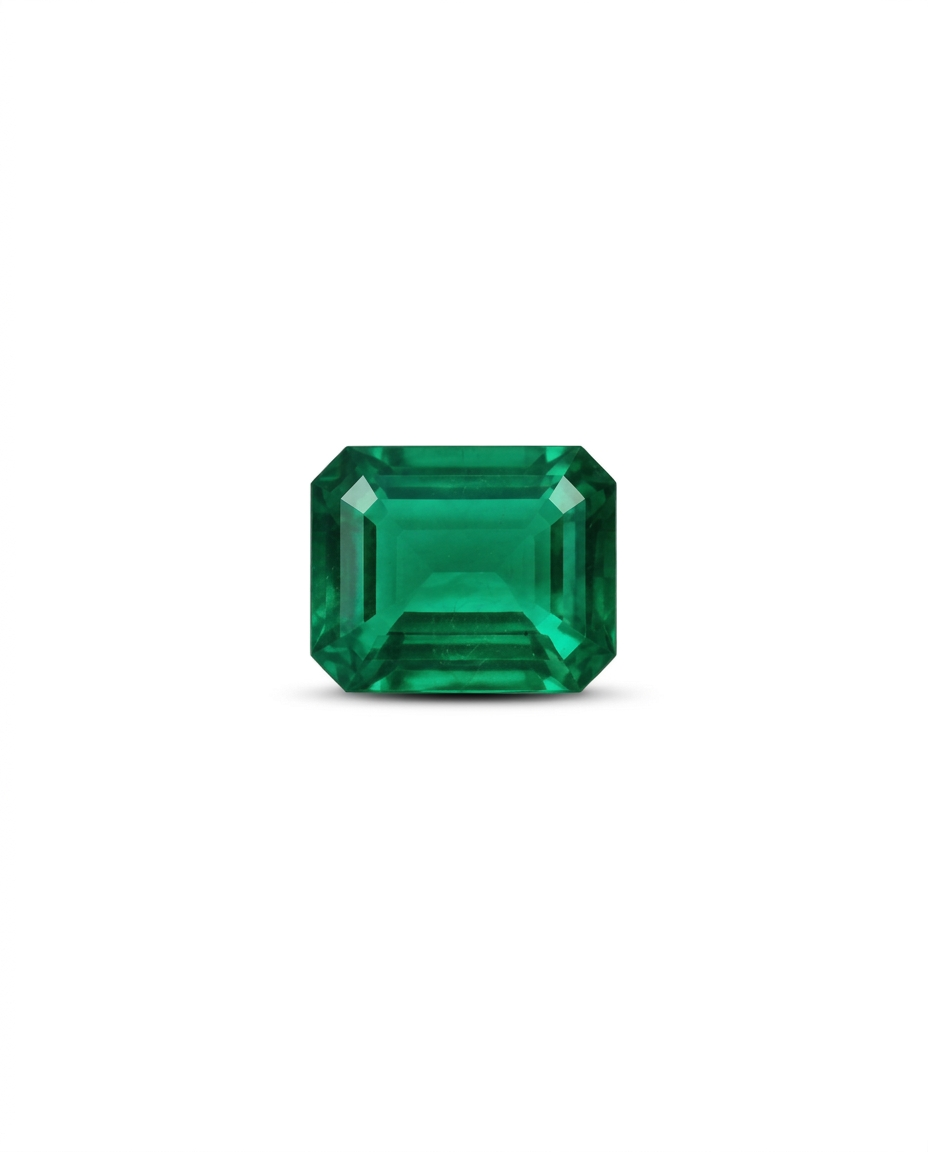
The GIA emerald quality guide describes desirable emerald colours as bluish green to pure green, with vivid saturation and a tone that is not too dark. That is a quality reference, not an instruction that everyone must prefer an identical shade. Compare stones under the same lighting, and ask for a face-up video as well as photographs.
Look for green that appeals to you across the stone, not only in one flattering photograph. Notice whether dark areas obscure its appearance and whether pale areas dominate. Ask for dimensions alongside weight: a deeper stone may carry more carats without looking proportionately larger from above. Neither brightness nor colour in a photograph establishes treatment status.
Inclusions are common, but still need assessment
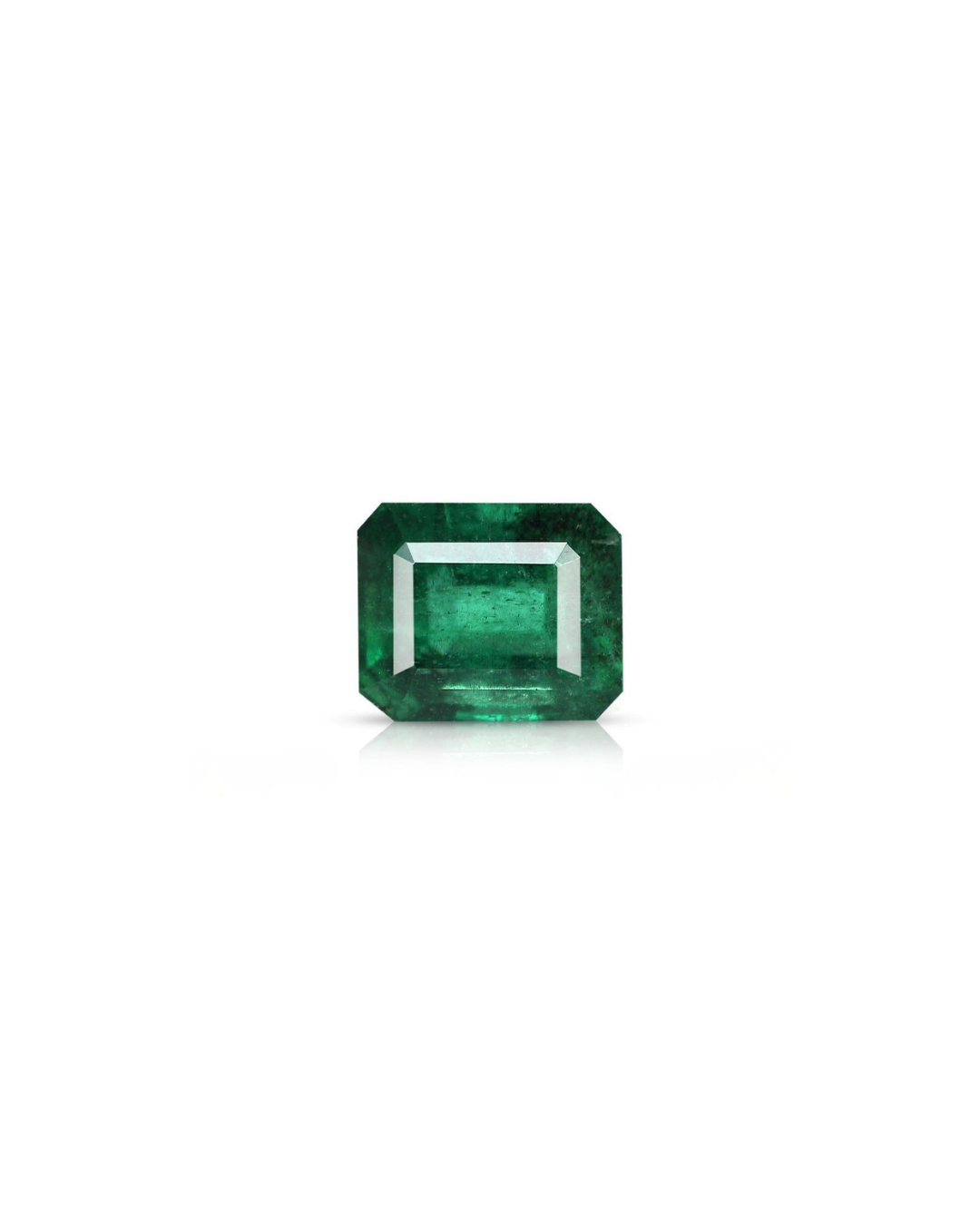
Many emeralds contain eye-visible inclusions. The trade sometimes calls their garden-like appearance “jardin”. Their presence does not automatically make an emerald unacceptable, but neither does the term jardin excuse every fracture or cloudy appearance. Consider how visible features affect transparency and your enjoyment of the stone.
Ask whether surface-reaching fractures or other features require particular care. A seller should be able to discuss the exact emerald rather than simply say that all emeralds have inclusions. The GIA emerald buyer’s guide is a useful reference for balancing colour, clarity, cut and weight.
Ask what “oiled” actually means
Clarity enhancement can make fissures less visible. Oils and resins are among the materials used for emerald fracture filling, and the presence and extent of enhancement matter when comparing offers. “Natural emerald” describes origin of formation; it does not, by itself, mean the stone has never been treated.
Request the treatment wording for the individual stone. Where a report describes an extent of clarity enhancement, ask the seller to explain that wording and how it affects care. Do not assume every laboratory uses identical terminology or that an identification report is a price valuation. Our guide to natural, lab-grown and treated gems explains the distinction between formation and treatment.
Country of origin is not a quality grade
Colombia, Zambia and Brazil appear in GemJyotish’s emerald catalog as source locations. That catalog context does not prove the origin of a particular emerald. If origin is important to your purchase, ask what evidence accompanies that exact stone and whether its laboratory report includes an origin opinion.
Compare appearance, enhancement, weight, dimensions and documentation before paying a premium for a geographical label. An attractive emerald can come from more than one source, and stones from the same source can differ substantially.
Panna and Mercury: keep tradition separate
GemJyotish’s catalog traditionally associates Panna with Mercury. This is Jyotish context, not a laboratory finding or scientific evidence that wearing emerald improves communication, business results or health. If your purpose is astrological, seek chart-specific guidance without treating a gemstone as a guaranteed remedy or a substitute for professional advice.
Your final purchase checklist
- Confirm the exact stone’s carat weight and dimensions.
- Ask for a clear description of any clarity enhancement.
- Check that the report and photographs refer to the same emerald.
- Compare total quotations on the same weight and treatment basis.
- Read current return terms and ask how to care for the selected stone.
The GIA emerald care guide cautions that treatment and fractures affect cleaning choices. Avoid assuming every emerald is suitable for steam or ultrasonic cleaning. Read our gemstone care guide, then explore GemJyotish’s gemstones and ask about the emerald you are considering.