The safest cleaning method depends on the gemstone, its treatments and its setting—not hardness alone. A hard stone can still contain fractures or fillers, and a delicate thread or adhesive may need different care from the gem it holds. Before cleaning, read the laboratory report and ask the seller about any treatment and mounting-specific instructions.
Ruby and sapphire: hardness is not the whole story
Ruby and sapphire are corundum, with Mohs hardness 9. That describes resistance to scratching, not immunity to impact, fractures or damage to treatments. GIA generally considers warm soapy water suitable for ruby and sapphire, but gives a stricter recommendation for fracture-filled, cavity-filled or dyed material: use only a damp cloth.
Consult the stone-specific GIA ruby care guide and GIA sapphire care guide. Do not put an unknown-treatment stone in an ultrasonic cleaner just because it is labelled sapphire. Ask a jeweller who knows the stone and setting before using ultrasonic or steam equipment.
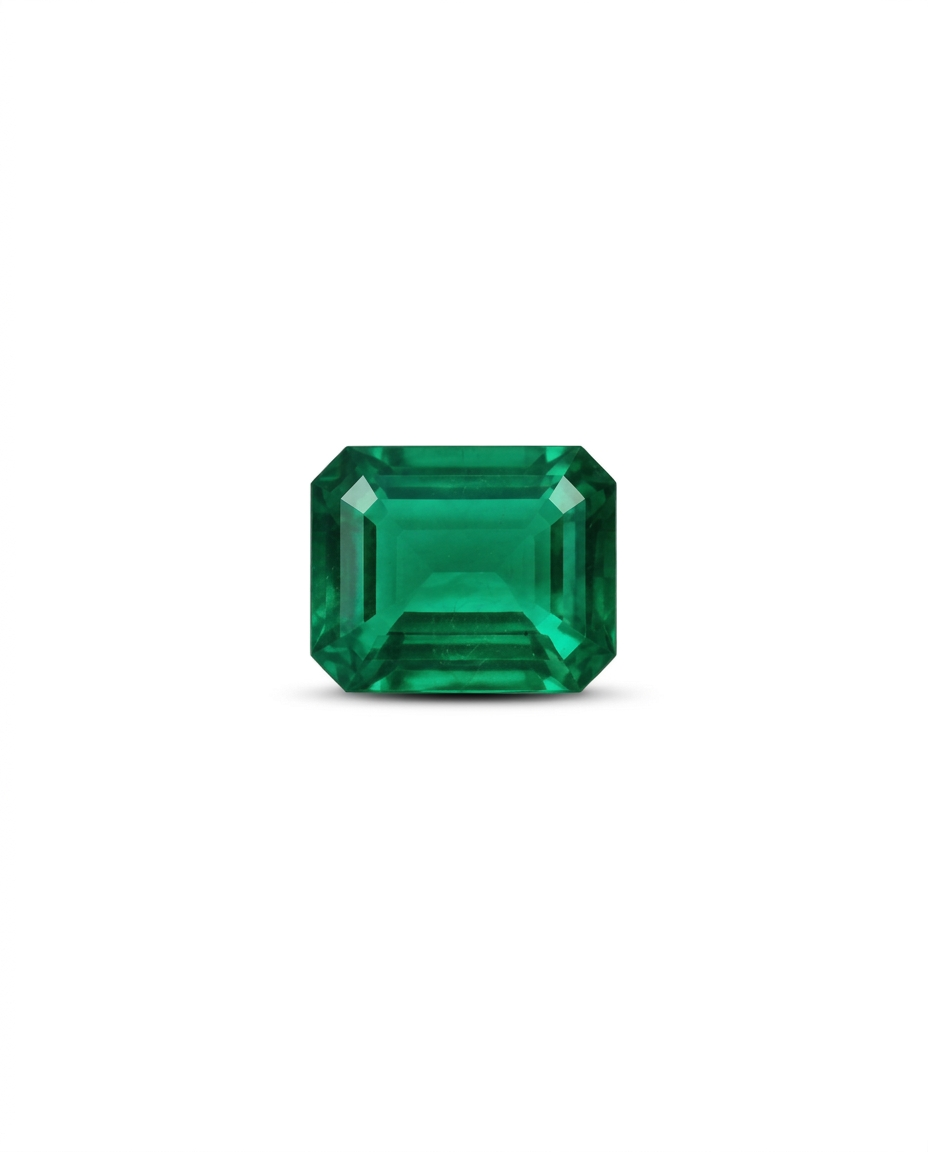
Emerald: choose gentle cleaning
Emerald commonly has surface-reaching fractures, and some stones contain fillers. Ultrasonic vibration or steam can affect fractures or filling material. GIA recommends warm soapy water and gentle cleaning as the safest approach. Avoid vigorous scrubbing and do not assume a professional machine is safer than a careful hand clean.
Use the GIA emerald care and cleaning guide as your starting point, then follow the instructions for the individual stone. If you notice a new chip, looseness or a change around a fracture, stop cleaning and have the piece inspected.
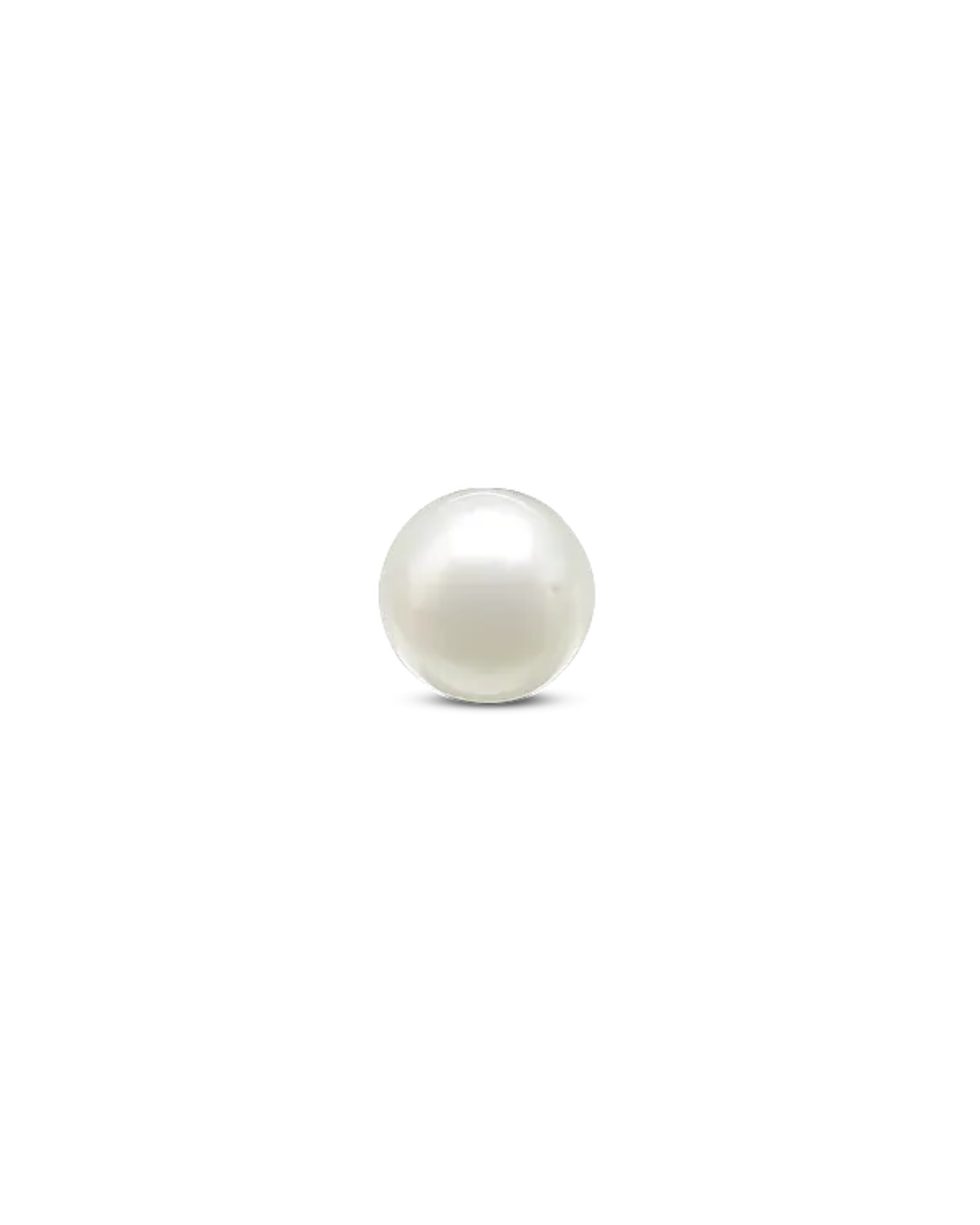
Pearl: protect the surface and the thread
Pearls need a softer approach than corundum. GIA advises against ultrasonic and steam cleaners. After wearing, wipe pearls with a soft cloth. Avoid exposure to perfume, cosmetics and other chemicals; put pearls on after applying those products rather than spraying them while wearing the jewellery.
If cleaning strung pearls according to appropriate instructions, allow the thread to dry completely before wearing them. Pearl strands are more than a collection of gems: the knots, clasp and thread also determine whether the piece is safe to wear. Read GIA’s pearl care guidance and ask your jeweller about restringing when thread or knots show wear.
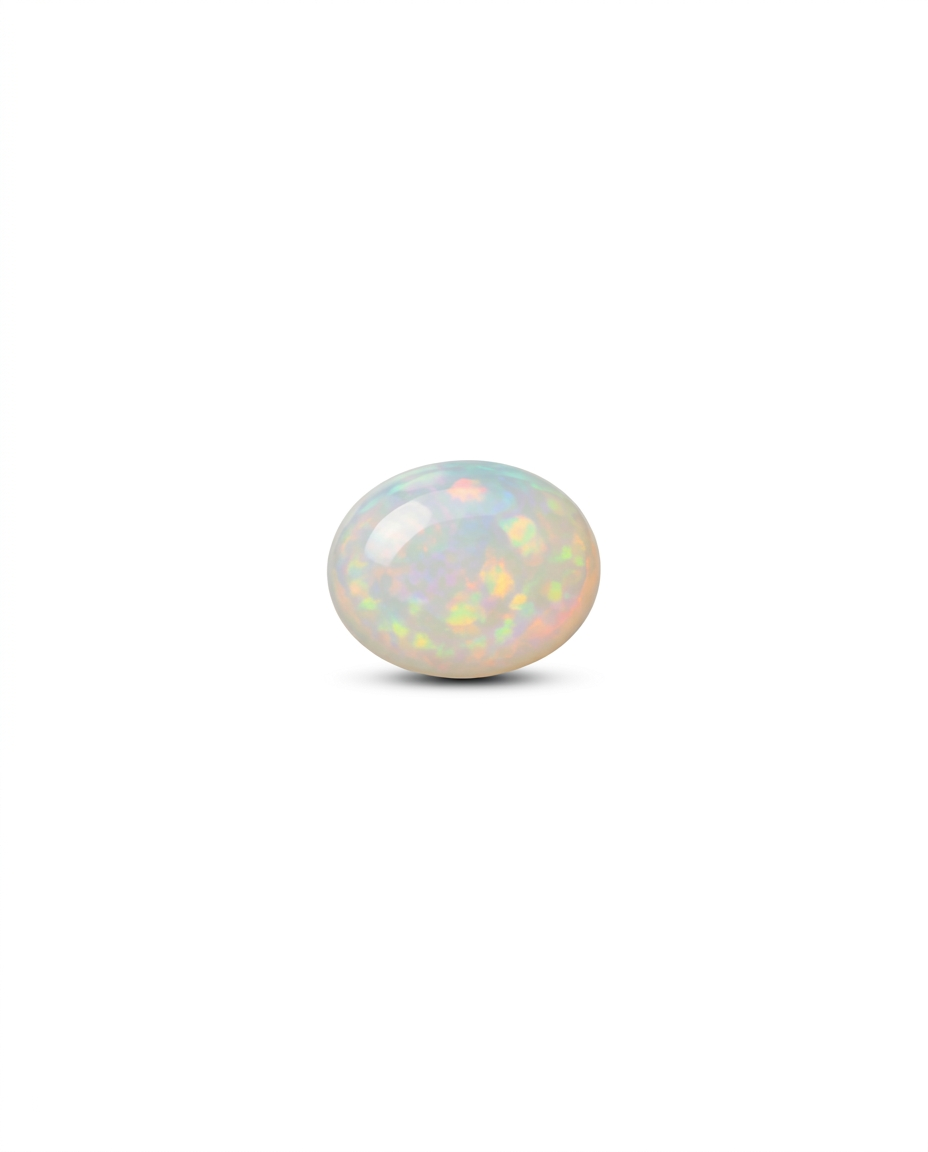
Opal: avoid heat and sudden temperature changes
GIA recommends warm soapy water for opal and notes that high heat and sudden temperature changes can cause fractures. Keep opal away from steam cleaning and strong heat. Do not leave it beside a heater or deliberately heat it as a test or ritual.
Check whether the piece is solid opal, a doublet or a triplet before choosing a cleaning method: assembled pieces and their bonding materials can need additional precautions. Follow the piece-specific advice rather than assuming that every opal tolerates the same contact with water. See GIA’s opal care guide.
When identity or treatment is unknown
Stop before soaking or using a machine. Request the stone’s description and treatment information from the seller. A gentle wipe may remove surface dust, but even that should avoid loose settings or damaged areas. Do not improvise with bleach, acidic mixtures, toothpaste or scratch tests. A laboratory report and a jeweller’s inspection are more useful than an aggressive cleaning experiment.
A practical ownership routine
- Remove gemstone jewellery before activities that expose it to knocks or unsuitable chemicals.
- Store pieces separately so stones and metal settings do not rub against one another.
- Check clasps and settings; a clean stone in a loose setting is still at risk of loss.
- Tell the jeweller about known treatments before repair or cleaning.
- Keep the invoice, report and care instructions together for future reference.
Keep ritual practices physically safe
Optional Jyotish practices should never override material care. Milk, oils, salt mixtures, flames or prolonged soaking are not universally safe cleaning methods. If you want a symbolic ritual, choose a non-contact practice such as a brief personal intention, and follow the actual stone’s care instructions. No ritual or gemstone can guarantee health, wealth or protection.
Before your next purchase, read how to check a gemstone lab report and browse the GemJyotish store. These recommendations are general education; a jeweller familiar with your individual gemstone and setting should resolve specific care questions.