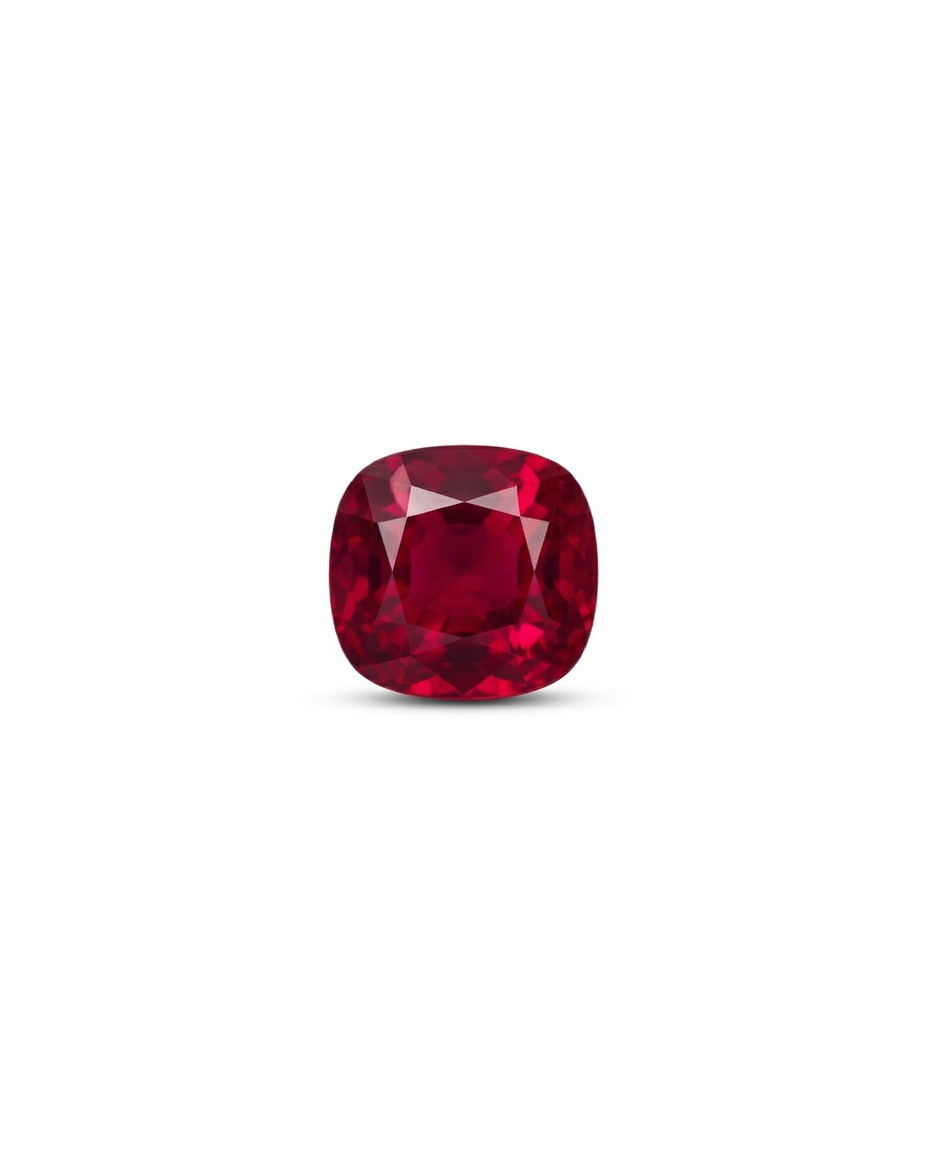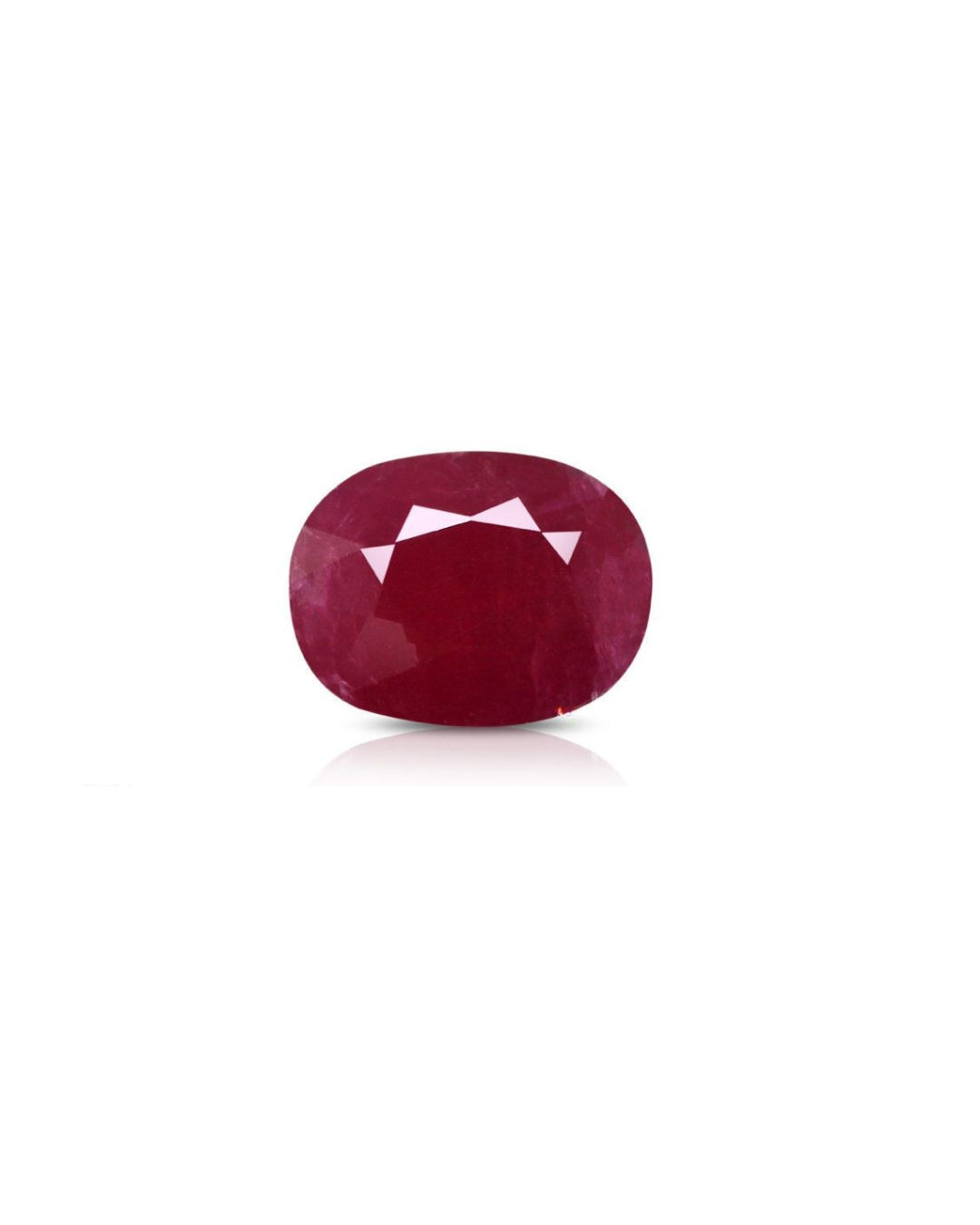
Start with the ruby, not its nickname
Ruby is red corundum, commonly called Manik in India. Buying well means comparing the individual stone’s colour, transparency, inclusions, cut, weight and treatment disclosure. Labels such as “Burmese”, “pigeon’s blood” or “unheated” are not interchangeable answers to those questions. Ask what each description means and which stone-specific evidence supports it.
A practical buying guide should help you decide what you are paying for, not promise that one gem will change your life. Here is how to make that comparison.
Compare red colour consistently
According to GIA’s ruby quality factors, colour is a major influence on ruby quality. Fine rubies can show a vibrant red to slightly purplish red, but appearance depends on tone and saturation as well as hue. A stone that is very dark may conceal its colour in everyday lighting; another may look attractive in photographs but pale in person.
View comparable stones under consistent lighting. Ask for a face-up video and accurate dimensions, and notice whether the colour looks even. Photographs can help you shortlist, but they are not laboratory evidence of identity, origin or treatment. Trade colour nicknames should not replace a clear explanation of how the stone actually looks.
Ruby or pink sapphire?
Ruby and sapphire belong to the same mineral family. In trade usage, the boundary between ruby and pink sapphire can vary. That makes the actual identification wording important, especially if a stone’s colour sits near that boundary. Ask the seller to explain the description rather than relying on a highly saturated photograph or a colour nickname alone.
The GIA ruby buyer’s guide discusses colour, clarity, cut and carat weight together. Use those factors to compare the offer, not as a promise that a specific ruby meets a particular quality level.
Natural does not mean untreated
A natural ruby formed in the earth, but may have undergone treatment afterwards. Heating and other treatments can affect how a ruby is described, valued and cared for. Some rubies have fracture filling, which makes precise disclosure especially important. A treatment does not turn natural formation into laboratory growth, but it changes the information you need before purchase.
Ask what treatment has been detected or disclosed for the exact stone. If a report uses unfamiliar wording, request an explanation and read our natural, lab-grown and treated gemstone guide. “Unheated” alone is not a substitute for judging appearance, identity, condition and supporting documentation.
Separate origin from quality
GemJyotish’s ruby catalog lists Myanmar, Mozambique and Thailand as source locations. Those are general catalog details, not proof of the origin of an individual ruby. If a seller charges more for a claimed origin, ask whether the report contains an origin opinion and check that it corresponds to the stone offered.
Country of origin does not tell you everything about red colour, visible inclusions, transparency or treatment. Compare the stone first, then evaluate documented origin as a separate part of your decision. Avoid treating a gemstone as a guaranteed investment or accepting promised resale returns without evidence.
Weight, size and quotation
Carat is a unit of weight, not a quality grade or a measurement of visible size. Two rubies of similar weight can have different dimensions, proportions and face-up appearances. A higher carat number should not distract from dark colour, distracting features or unclear treatment information.
Compare the same quotation basis. Ask whether a displayed figure is per carat or the total for the selected stone, and clarify any certificate or setting charge before checkout. Our lab-report guide explains what to check in the accompanying document.
Manik and the Sun: a traditional association
GemJyotish’s catalog associates Manik with the Sun in Jyotish tradition. This is not gemological proof of improved confidence, leadership, finances or health. Chart-based guidance is separate from the laboratory’s task of identifying the stone, and neither should be presented as a guaranteed outcome.
Before you buy
- Match the report, weight and dimensions to the actual ruby.
- Ask for explicit treatment disclosure, not only the word natural.
- Compare colour and transparency in consistent light.
- Verify any origin claim you are paying a premium for.
- Read return terms and treatment-specific care instructions.
Consult GIA’s ruby care guidance, particularly where treatment affects maintenance. Then browse GemJyotish and ask about the specific Manik stone before choosing.