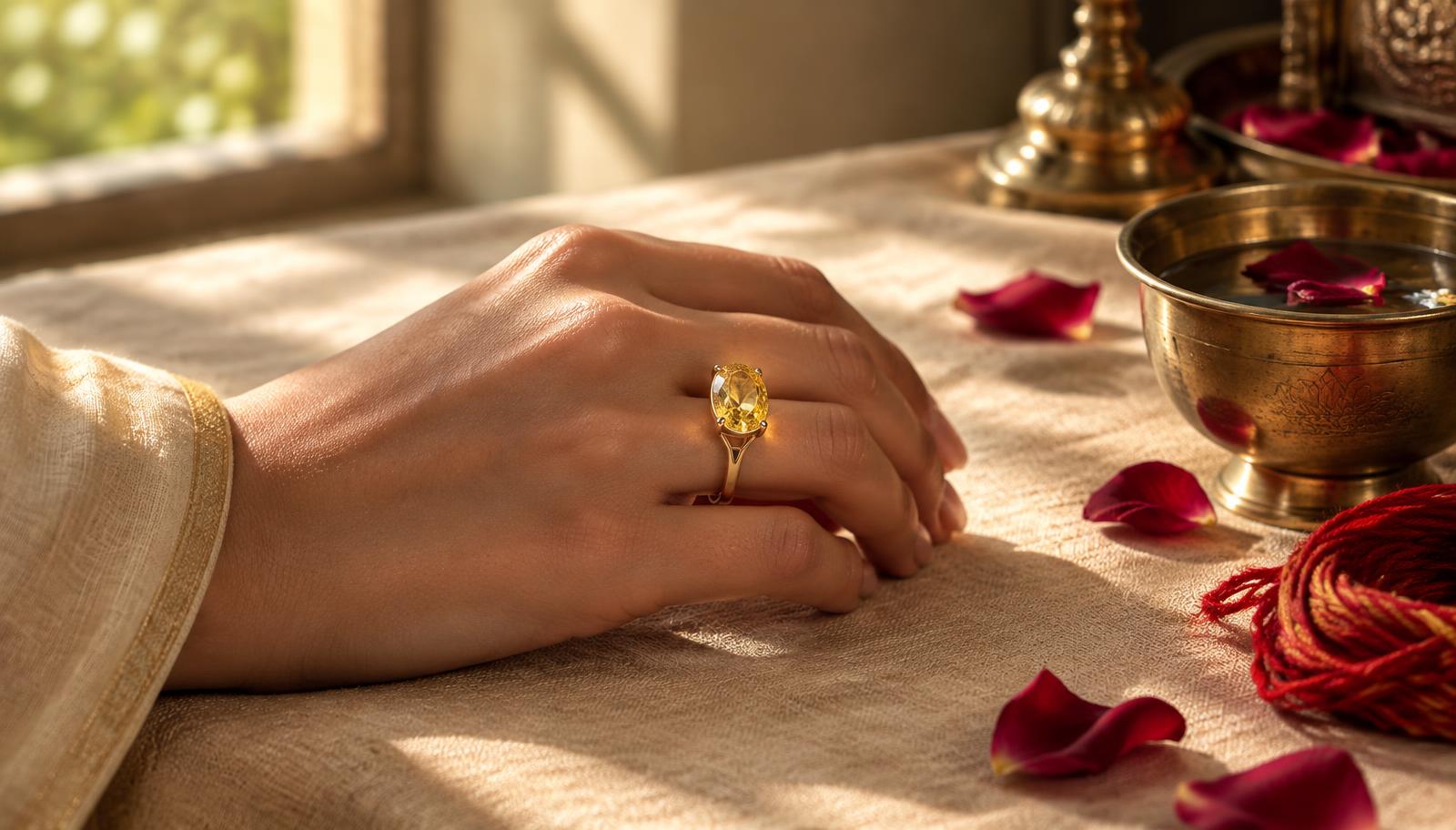
Buying a genuine stone is only half the work. In Jyotish, a gemstone becomes a remedy through how it is worn: which finger carries it, which metal holds it, on which day and hour it first touches your skin, and whether it was purified before that first wear. Classical practice treats these details as part of the remedy itself, and most guides available online cover them only in passing. This page walks through the full traditional wearing method in clear steps, so you know exactly what to ask your jeweller and what to do on the day your stone arrives.
First, confirm the planet suits your chart
Every wearing rule below assumes one thing has already happened: an astrologer has read your chart and confirmed that the planet is favourable for you. A gemstone strengthens the planet it represents, and strengthening a planet that works against your rising sign is traditionally considered unhelpful. That is why every serious source begins with the chart, not the catalogue. Our free gemstone guidance reads your birth details and suggests stones to consider, and if you want the reasoning in depth, the 10-year Vedic horoscope explains each planet's role in your chart year by year.
Which finger wears the stone
Jyotish links each finger to the energy channels (naadis) of specific planets, which is why the same stone is not worn on any finger. The mapping used across most traditions is:
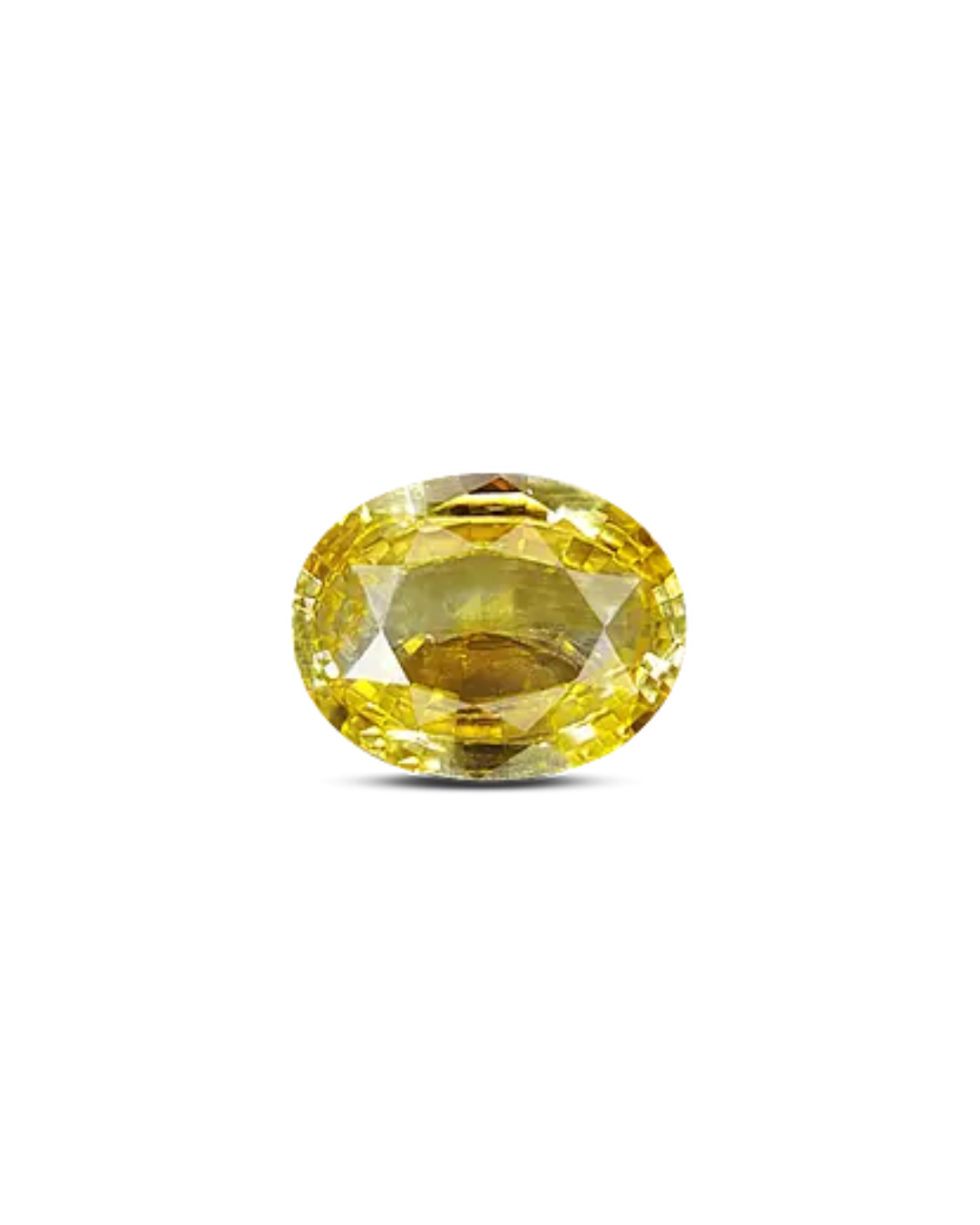
- Index (Jupiter) finger — Yellow Sapphire and other Jupiter stones, and also Turquoise and Heliodor.
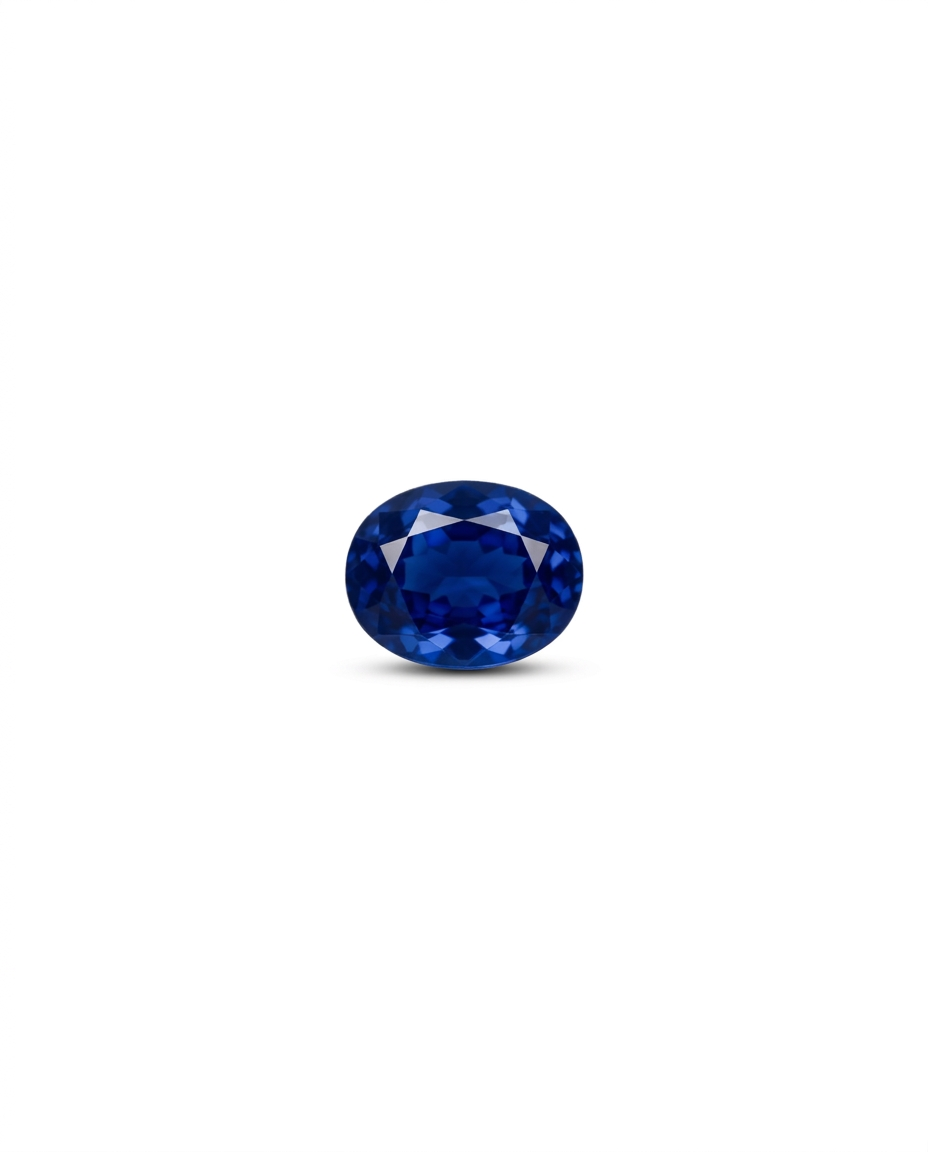
- Middle finger — Blue Sapphire and Saturn stones, Diamond and Venus stones, and the shadow-planet stones Hessonite (Rahu) and Cat's Eye (Ketu).
- Ring finger — Ruby and Sun stones, and Red Coral for Mars.
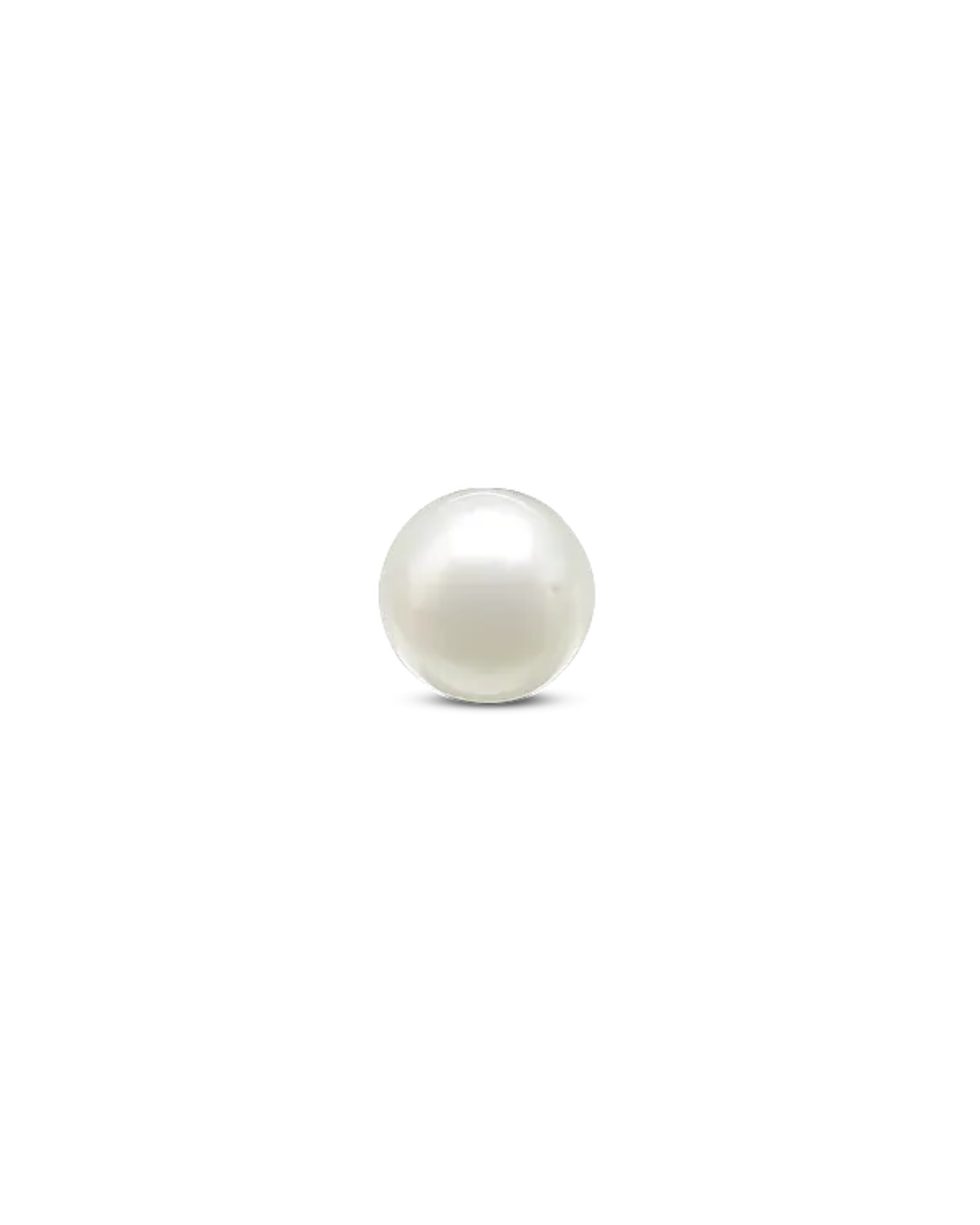
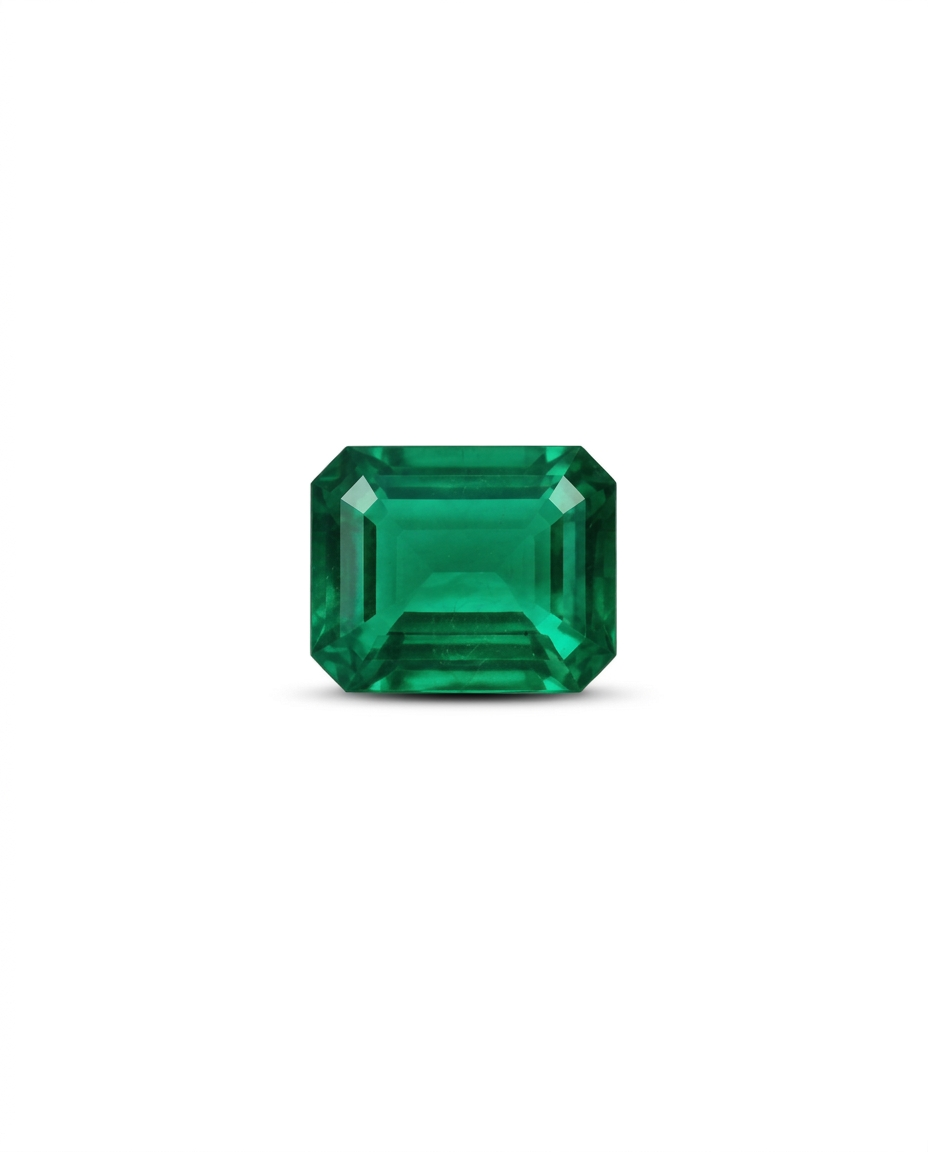
- Little finger — Pearl and Moon stones, and Emerald for Mercury.
For a fuller table of planet-by-planet correspondences, the guide at Vedic Rishi sets out the classical method step by step. Right hand or left? The common convention in India is the right hand for men and either hand for women, but astrologers differ here and the finger-to-planet mapping above is the more consistent rule.
Choose the metal with the same care
The metal is the mount that carries the stone against your skin, and tradition assigns metals to planets the same way it assigns fingers. Gold suits the Sun's Ruby, Mars stones and Jupiter's Yellow Sapphire. Silver is the metal of the Moon and is the usual choice for a Pearl, while silver or white metals such as platinum suit Venus stones and the cooler Saturn and shadow-planet stones. Panchdhatu, the five-metal alloy, is a respected alternative when a full gold mount is impractical.
You do not have to memorise this: every product in our GemJyotish catalogue lists its recommended metal, finger and wearing day, drawn from the same classical correspondences.
The day, the hour and the lunar phase
Each stone is traditionally worn for the first time on the day of the week ruled by its own planet, during the morning hours after sunrise: Ruby on Sunday, Pearl on Monday, Red Coral on Tuesday, Emerald on Wednesday, Yellow Sapphire on Thursday, Diamond on Friday, and Blue Sapphire on Saturday. Two of the strong stones, Blue Sapphire and Hessonite, are often worn at sunset or in the evening instead of the morning.
The waxing phase of the Moon, the Shukla Paksha between new moon and full moon, is considered the auspicious window for first wear. Practically: pick the planet's weekday inside a waxing fortnight, in the morning, and you have honoured the timing rules. For the everyday do's and don'ts that come after the first wear, the practical guide at Trikaal Vaani is a useful companion.
The open-back setting
One detail matters more than any other at the jeweller's bench: the setting must be open at the back, so the underside of the stone rests directly against your skin. A closed setting, where metal covers the base of the stone, interrupts the contact that the whole tradition is built on. When you hand a loose stone to a jeweller, say the words open back explicitly, because many standard ring designs close the base by default.
Purification and the first wear
Before the stone meets your skin, tradition calls for a simple purification. The widely followed sequence is:
- Soak the stone, or the mounted ring, for some hours in raw milk mixed with a little Ganga jal and honey, or in clean water if that is what is available.
- Rinse it with clean water and pat it dry with a soft cloth.
- On the chosen morning, sit facing east, light a lamp if you keep one, and chant the planet's beej mantra 108 times while holding the ring. For Jupiter's Yellow Sapphire, for example, the mantra is Om Graam Greem Graum Sah Gurave Namaha.
- Put the ring on while the chanting finishes, and wear it on the prescribed finger.
The ritual takes under an hour and needs nothing exotic; its real role is to make the first wear deliberate rather than casual.
Living with the stone day to day
A worn gemstone collects soap, sweat and dust, so clean it gently with lukewarm water, a drop of mild soap and a soft brush, and keep ultrasonic cleaners away from treated stones such as emeralds. Our gemstone care guide covers each stone family in detail. Remove the ring for work that could chip it, and store it separately so harder stones do not scratch softer ones.
And before any of this, make sure the stone you bought is what the seller says it is: our guide to reading a gemstone lab report shows you how to verify a certificate before you pay.
A worn stone is a small, quiet commitment. Confirm the planet through your chart, buy a certified natural stone, set it open-backed in the right metal, purify it, and wear it on the right finger on the right morning. Done this way, the remedy follows the tradition that recommended it — and it stays easy to live with. If you are not sure which planet to begin with, start with our free guidance and take it from there.