Similar colour does not mean the same gemstone
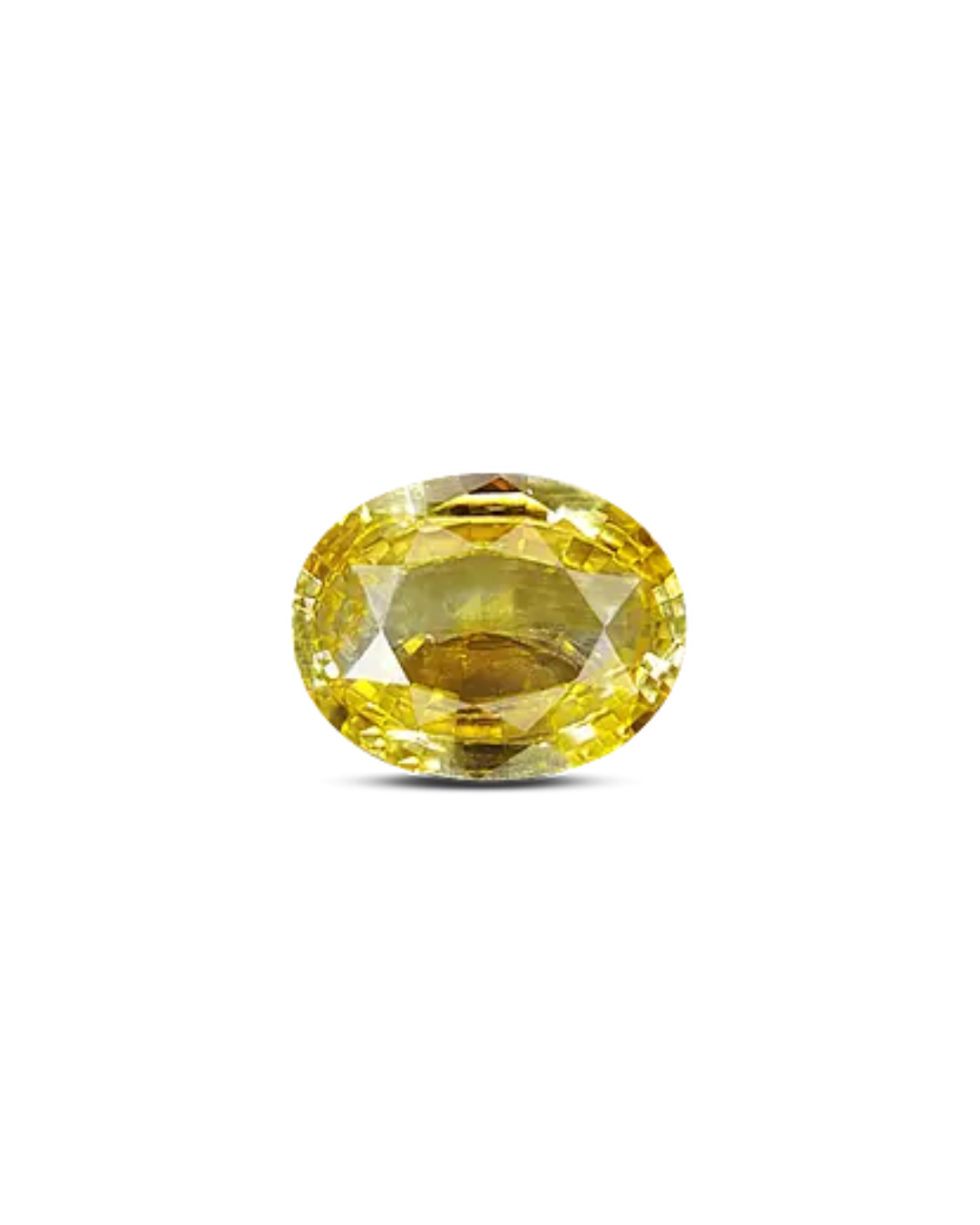
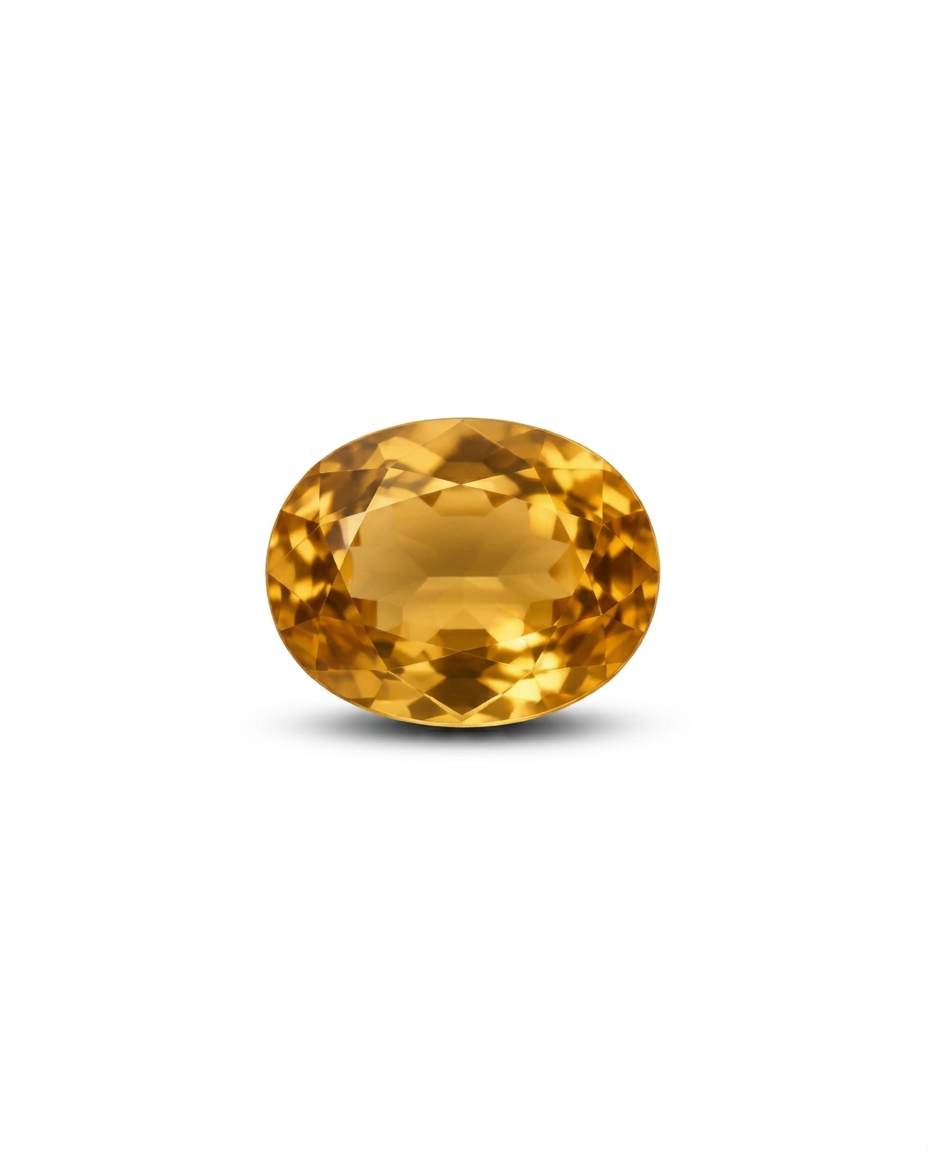
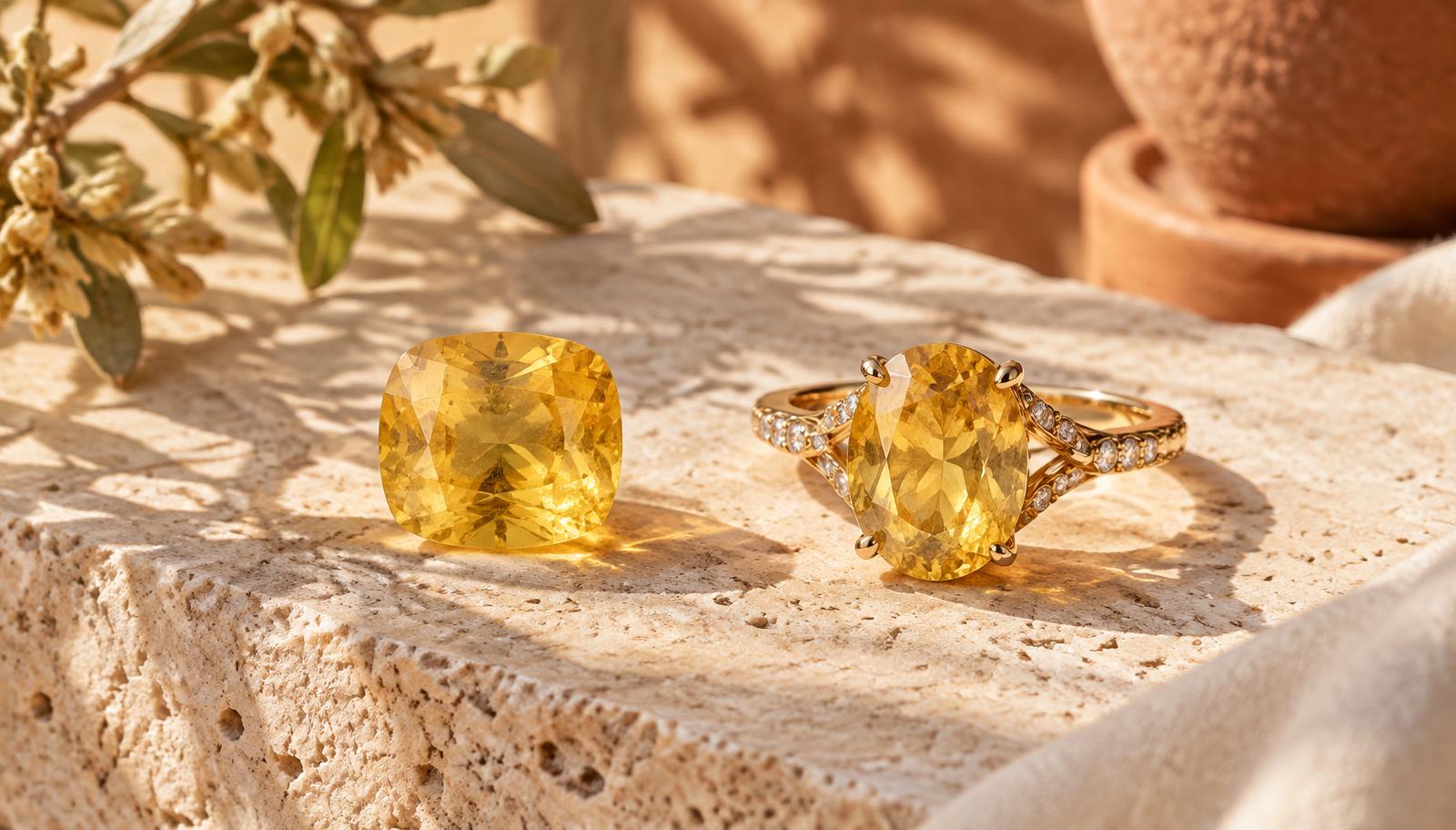
Yellow sapphire and yellow topaz can both appeal to buyers looking for a golden-coloured gemstone. But colour alone does not make them the same mineral. Yellow sapphire belongs to corundum; yellow topaz belongs to topaz. A purchase should state the actual gemstone identity clearly, regardless of a nickname, price or suggested astrological use.
If you are shopping for Pukhraj, do not accept a vague description such as “yellow stone” as confirmation of yellow sapphire. Ask what the stone is, what has been disclosed about its treatment and what evidence accompanies it.
The mineral difference comes first
GIA’s sapphire reference identifies sapphire as corundum and describes its range of colours. Yellow is one of the colours in that family. GIA’s topaz reference describes topaz as a separate mineral that can also occur in yellow, alongside other colours.
That distinction is more useful than trying to judge identity from a photograph. Lighting, cut and camera processing influence apparent colour. A pleasing golden appearance is a reason to inspect a stone, not proof that it is sapphire or topaz. A qualified gemologist uses appropriate testing rather than visual resemblance alone.
Hardness is not the whole durability story
Sapphire has a Mohs hardness of 9; topaz has a hardness of 8. These numbers describe resistance to scratching, not complete resistance to damage. They do not tell you that a stone can never chip, crack or suffer from unsuitable handling.
Topaz has cleavage, which means it can split along particular directions if subjected to an unfortunate blow. That matters when choosing a setting and arranging care. The GIA topaz care guide explains why steam and ultrasonic cleaning are unsuitable for topaz. For sapphire, GIA’s care guidance notes that treatment can influence cleaning choices. Ask for instructions appropriate to your individual stone.
Do not scratch a stone against glass or another gem as a home identification test. Such tests can damage a gemstone and still fail to provide a reliable identification. A buying decision deserves better evidence than a potentially destructive demonstration.
Treatment and origin are separate questions
For either gemstone, natural formation and treatment status are separate matters. A natural stone can have undergone treatment after formation. Ask for the exact disclosure instead of assuming that the word natural means untreated or that a low price reveals the answer.
Likewise, a country label is not a species identification or a quality grade. If origin matters to you, ask what supports the claim for the specific stone. GemJyotish’s source-location descriptions provide catalog context, not laboratory proof of each stone’s origin. Our treatment explainer covers the terminology without treating different categories as interchangeable.
Compare value without blanket price rules
It is tempting to say sapphire is always expensive and topaz is always inexpensive, but a meaningful comparison needs more detail. Identity, colour, cut, weight, treatment, condition and documentation all affect what is being offered. A price difference does not itself authenticate a gemstone.
Compare the exact stone’s total price, its dimensions and its stated weight unit. Ask which laboratory report or other identification documentation accompanies it and confirm that the document matches the item. Our lab-report reading guide explains why the report number, measurements and identification wording matter.
Is topaz an astrological substitute for Pukhraj?
GemJyotish’s catalog traditionally associates yellow sapphire with Jupiter. Astrological associations are beliefs, not gemological test results. A laboratory can identify a gemstone; it cannot prove that wearing it produces prosperity, resolves marriage concerns or delivers another life outcome.
Do not assume that two yellow minerals are interchangeable for an astrological purpose simply because they look alike. If you are considering a substitute, ask your chosen adviser about the intended guidance separately from the question of mineral identity. Neither stone should be presented as a guaranteed remedy or a replacement for medical, legal or financial advice.
A clearer way to choose
- Ask for the explicit identity: yellow sapphire or yellow topaz.
- Request treatment disclosure for the actual stone.
- Match the report, weight and measurements to the item offered.
- Compare appearance under consistent lighting and review current return terms.
- Choose a setting and care routine suitable for that mineral and treatment.
Start with our existing natural yellow sapphire buying guide, then explore the GemJyotish collection. Choose the gemstone you actually intend to buy, with a clear description and realistic expectations.