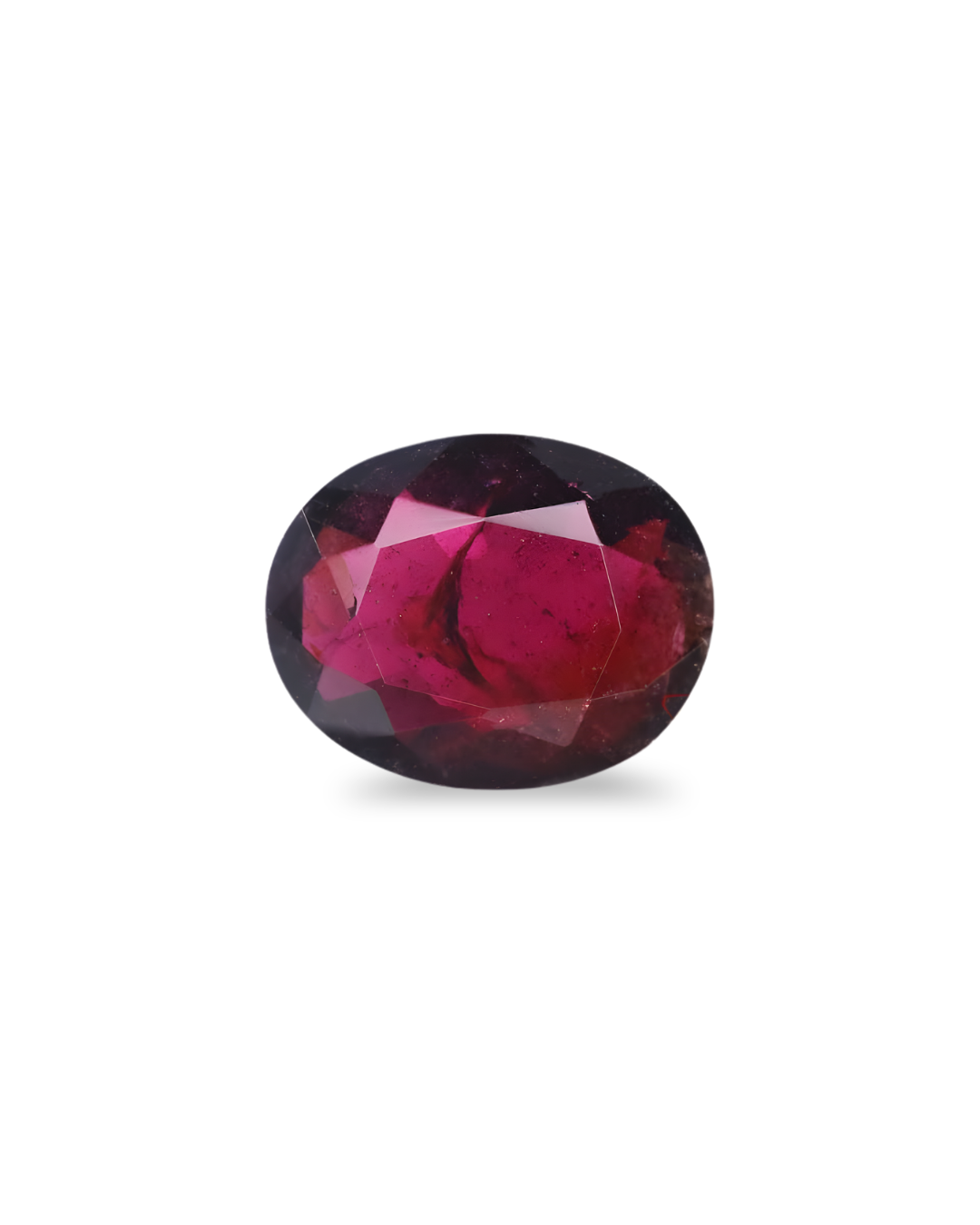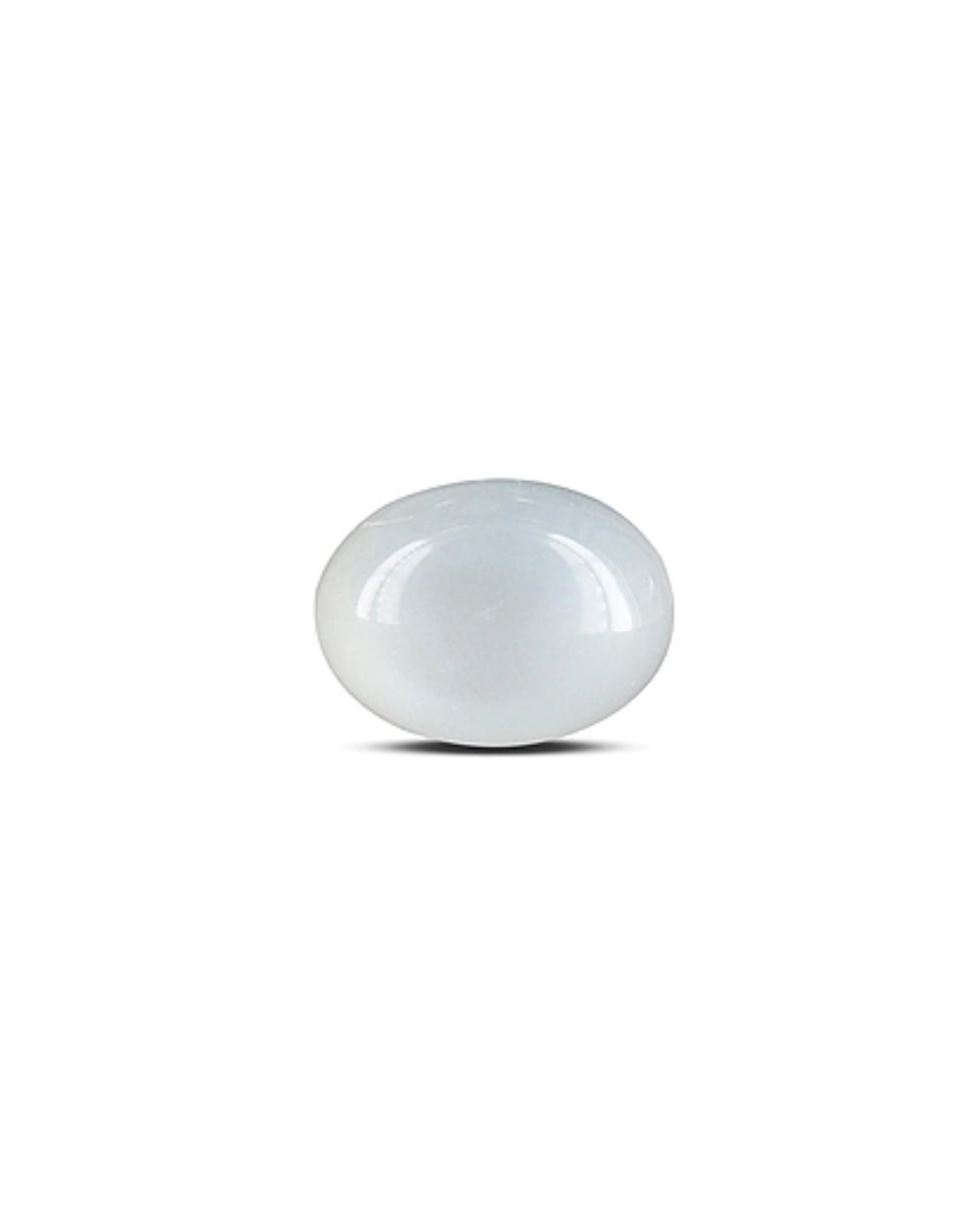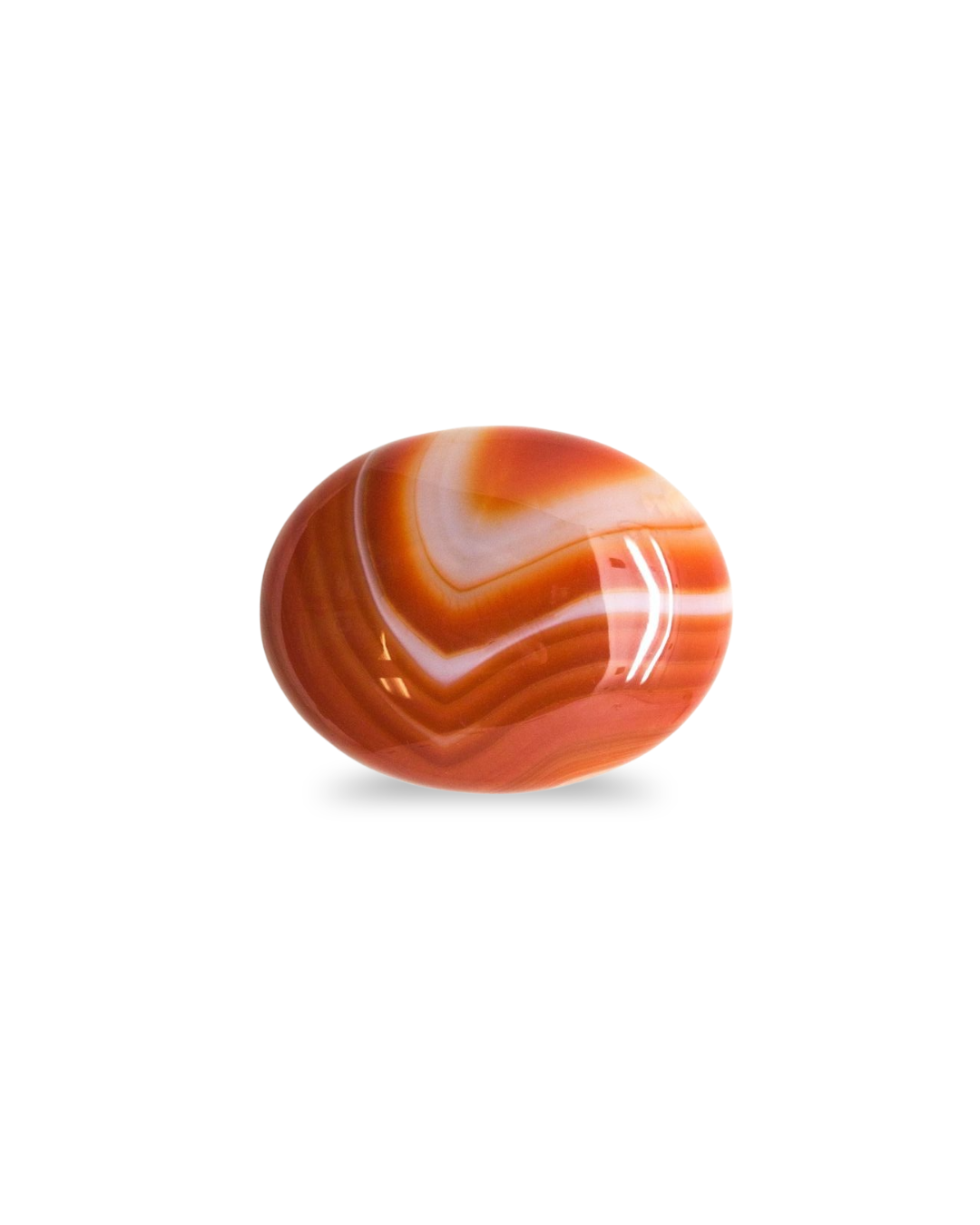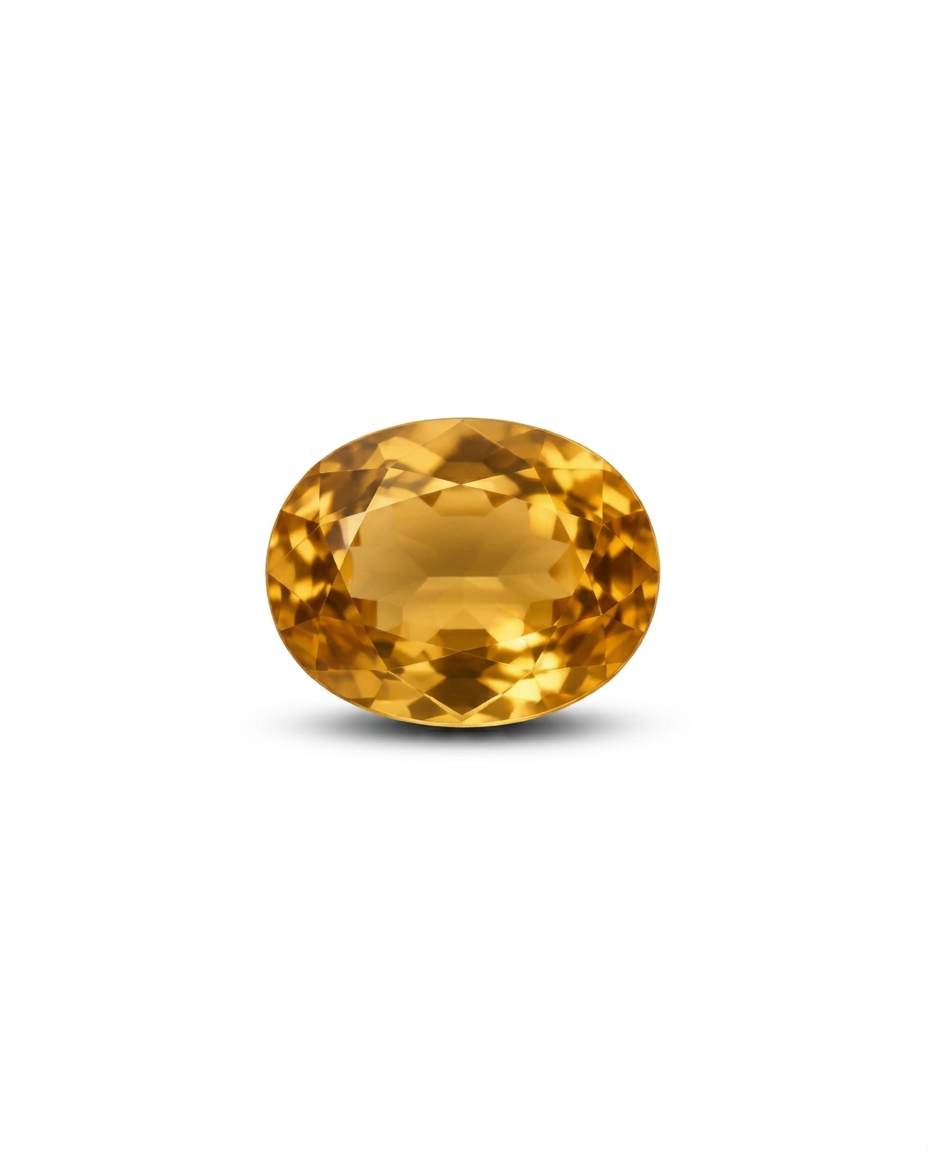
You have read your chart, and the stone your astrologer names is out of reach: a fine untreated Yellow Sapphire or a good Blue Sapphire can cost more than many families spend on jewellery in a year. Long before online shopping, Vedic tradition offered a considered answer to exactly this situation: the uparatna, the secondary stone worn for the same planet as the primary gem. This guide explains what an uparatna is, which substitutes are commonly used for each planet, and what to insist on when buying one.
What an uparatna is — and is not
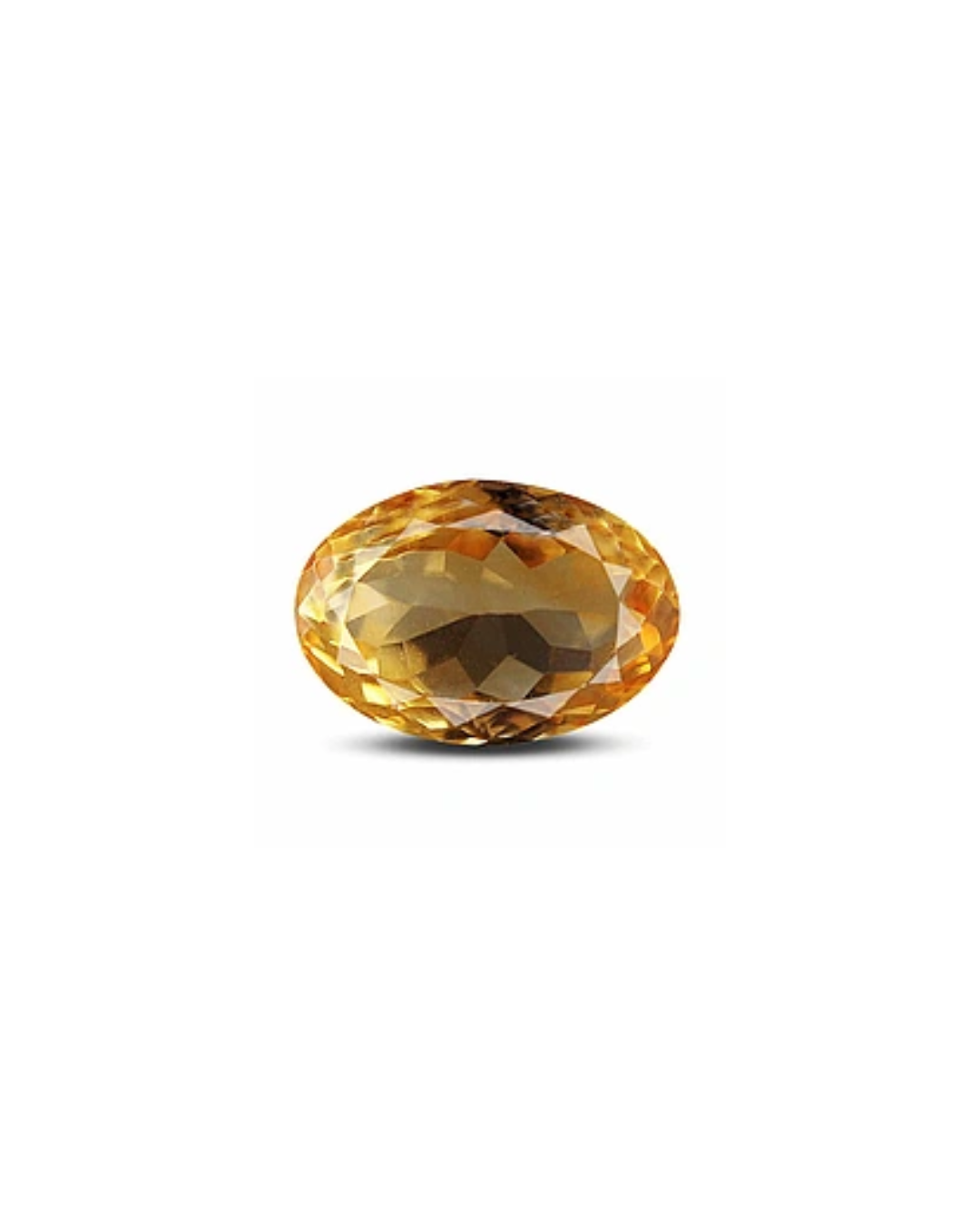
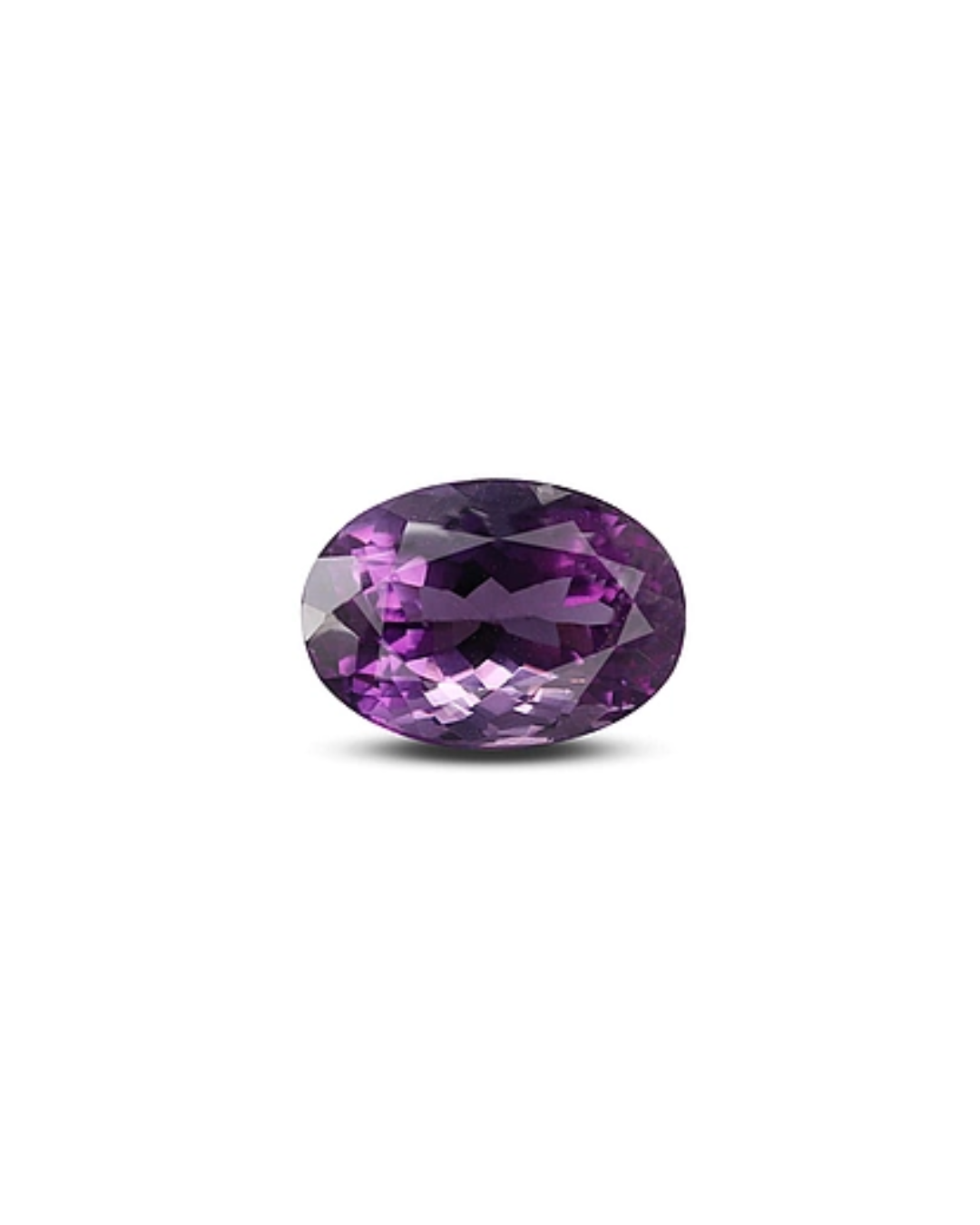
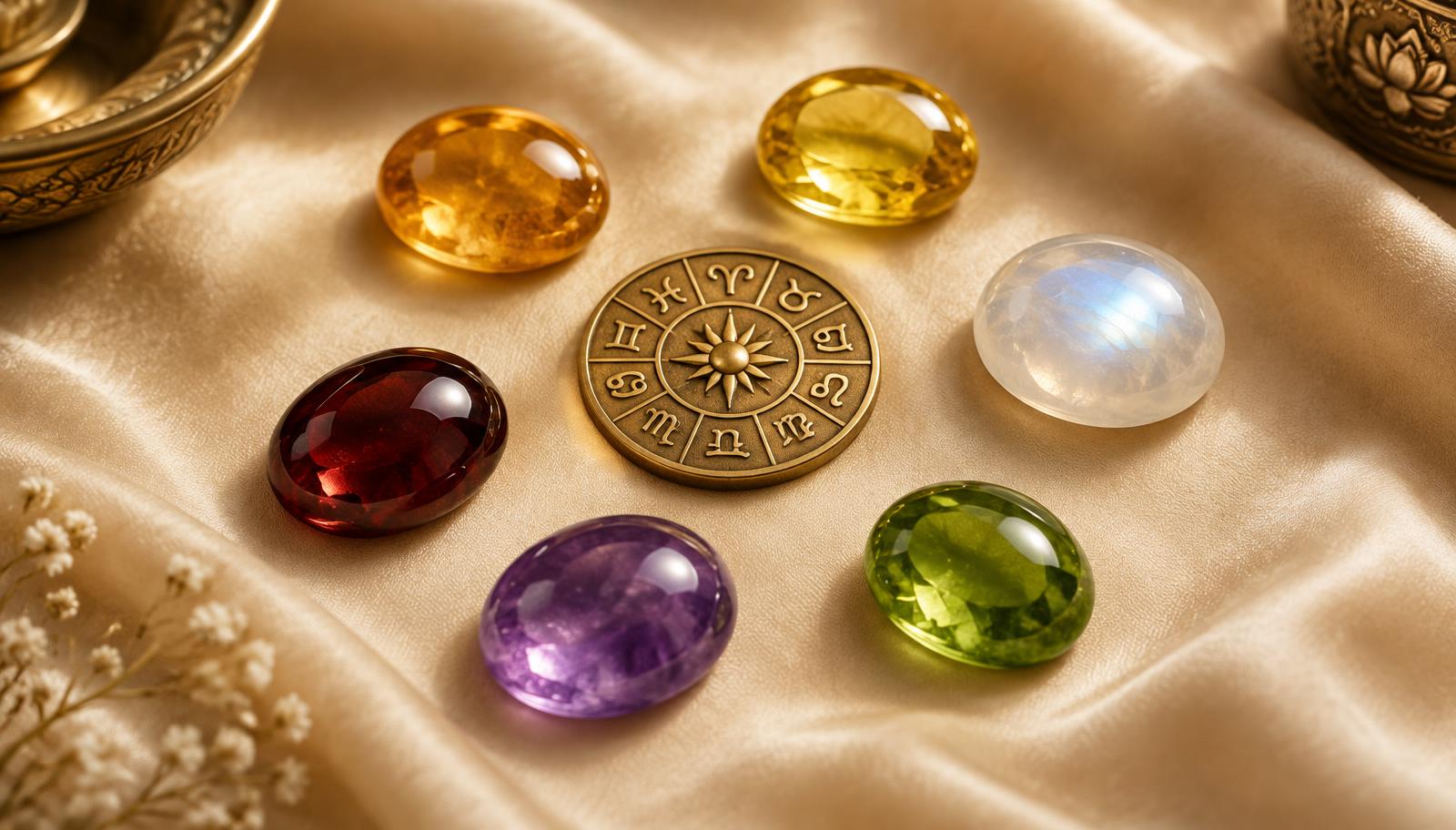
An uparatna is a genuine, natural gemstone from the same colour family as a primary navaratna stone, worn for the same planet in the same way. Citrine for Yellow Sapphire, moonstone for Pearl, amethyst for Blue Sapphire. It is not an imitation, and it is not a lesser stone sold under the primary's name — it is a different mineral with its own identity, worn honestly under its own name.
The classical Sanskrit texts such as the Garuda Purana and Brihat Samhita concentrate on grading the nine primary gems; the substitute lists belong mainly to later gem manuals and living practice. As a result, the lists differ between traditions and astrologers, and no single list is authoritative. The honest overview at Nidarshana Vedh makes this point well and is worth reading in full.
The substitutes, planet by planet
The pairings below gather the combinations you will meet most often. Treat each as common ground rather than the only version, because traditions disagree at the edges.
- Sun — Ruby (Manik): Red Garnet, Red Spinel, Sunstone
- Moon — Pearl (Moti): Moonstone, White Coral
- Mars — Red Coral (Moonga): Carnelian, Red Jasper, Red Agate
- Mercury — Emerald (Panna): Peridot, Green Tourmaline, Jade
- Jupiter — Yellow Sapphire (Pukhraj): Citrine (Sunela), Yellow Topaz, Heliodor
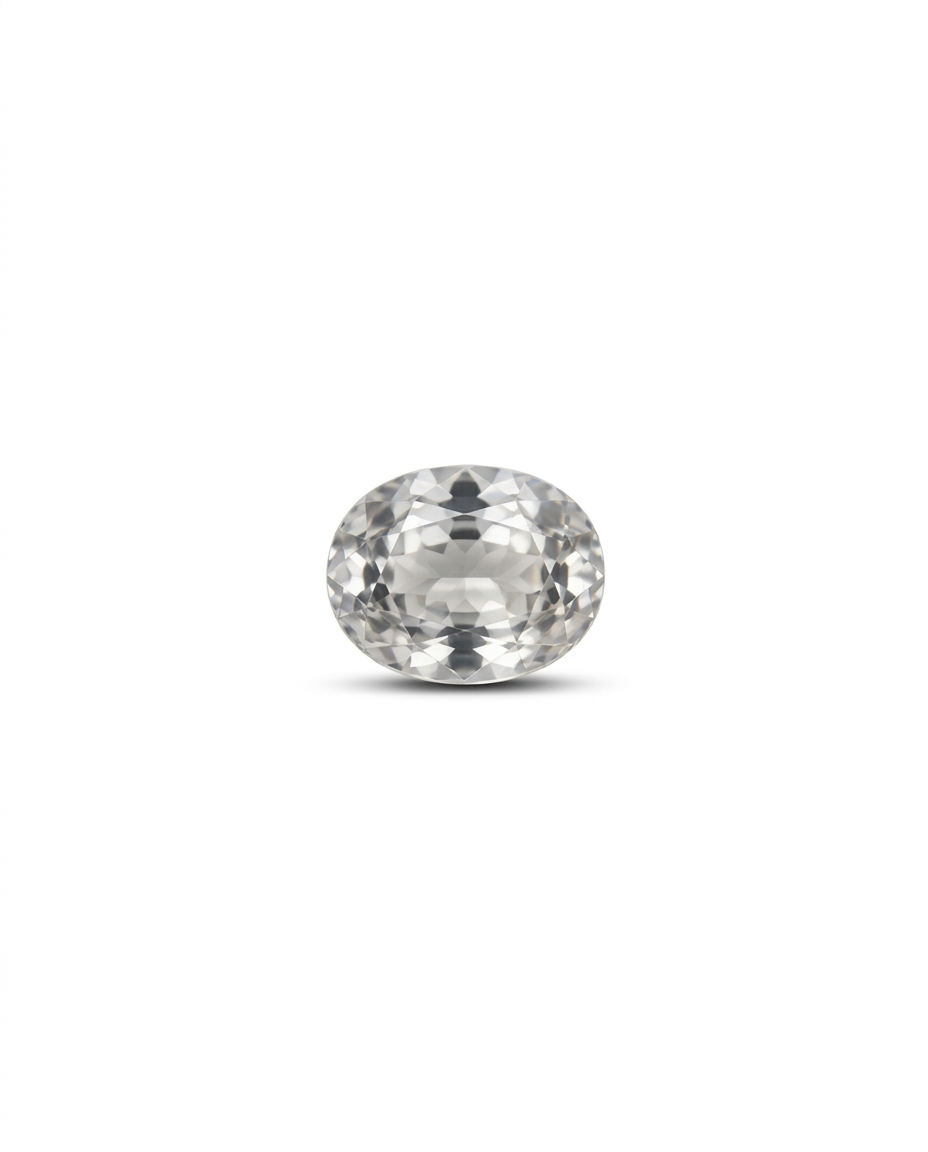
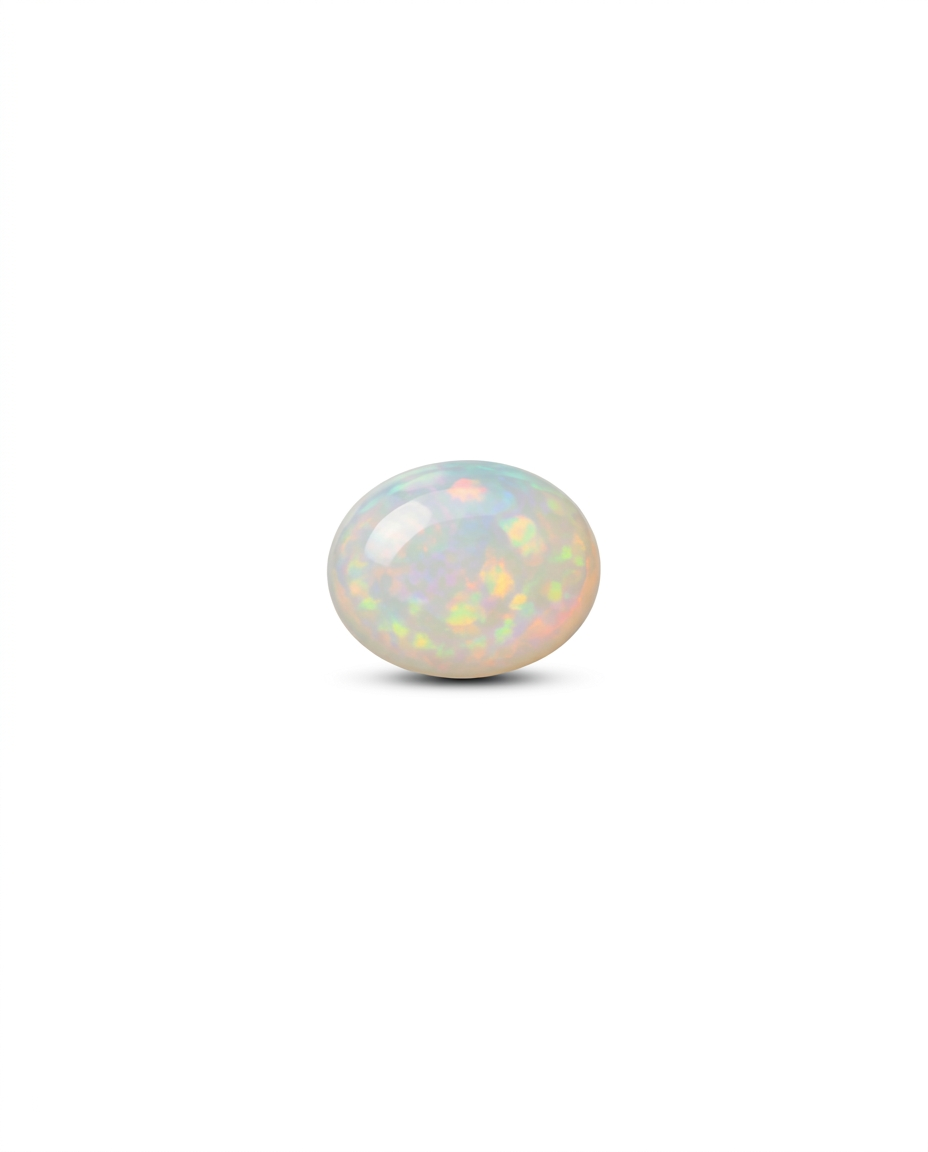
- Venus — Diamond (Heera): White Sapphire, White Zircon, Opal
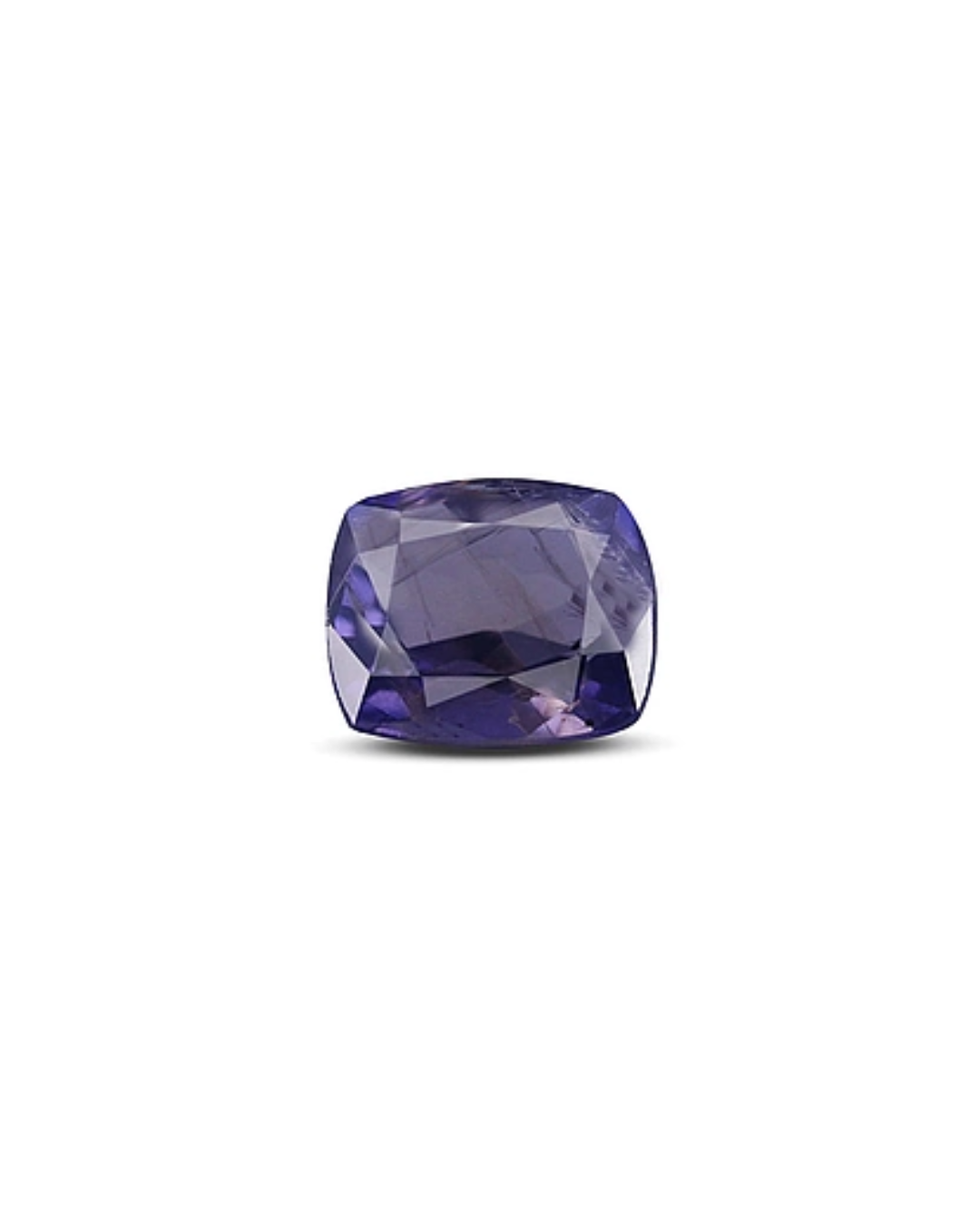
- Saturn — Blue Sapphire (Neelam): Amethyst, Iolite, Blue Spinel, Lapis Lazuli
- Rahu — Hessonite (Gomed): Orange Zircon, Agate, Tiger's Eye
- Ketu — Cat's Eye (Lehsunia): Tiger's Eye, Quartz Cat's Eye
The testing-lab overview at DRGTL lists the same families and adds a practical warning: because substitutes are affordable and popular, they are both mislabelled as the primary stone and imitated in glass, so a substitute deserves the same scrutiny as a ruby.
When a substitute makes sense
Tradition reaches for an uparatna in four situations. First, budget: a natural Citrine of good quality costs a small fraction of a natural Yellow Sapphire of the same size. Second, a gentle start: when an astrologer wants the wearer to observe a planet's effect slowly before committing to a strong primary stone. Third, a chart that does not clearly support one of the demanding stones — Blue Sapphire, Hessonite and Cat's Eye are traditionally worn only after careful chart study, and a substitute is the usual way to follow that planet without the strength of the primary. Fourth, simple availability of a clean, untreated stone of the right size.
The standards do not change
An uparatna should be bought to the same standard as a primary stone: natural rather than synthetic, untreated where possible, certified by a recognised laboratory, and sold under its own correct name. Everything in our guide to reading a lab report before buying applies equally, and once you own the stone, the cleaning rules in our gemstone care guide apply too. The one thing to refuse outright is the bait-and-switch: paying sapphire prices for topaz. Every stone in our catalogue is labelled with its own name and its own planet.
Wear it like the primary
A substitute is worn the way its planet's primary would be worn: the same finger, the same metal, the same weekday and the same purification before first wear. Our guide to how to wear a gemstone correctly walks through the full method. If an astrologer later advises stepping up to the primary stone, the substitute has cost you little and taught you how the planet sits in your life.
Every stone in the GemJyotish catalogue, primary or substitute, is tagged with the planet it serves, so you can browse Citrine and Yellow Topaz under Jupiter, Amethyst and Iolite under Saturn, and Moonstone under the Moon. If you are unsure whether your chart points to a primary stone or a substitute, start with our free gemstone guidance, or go deeper with the 10-year Vedic horoscope.